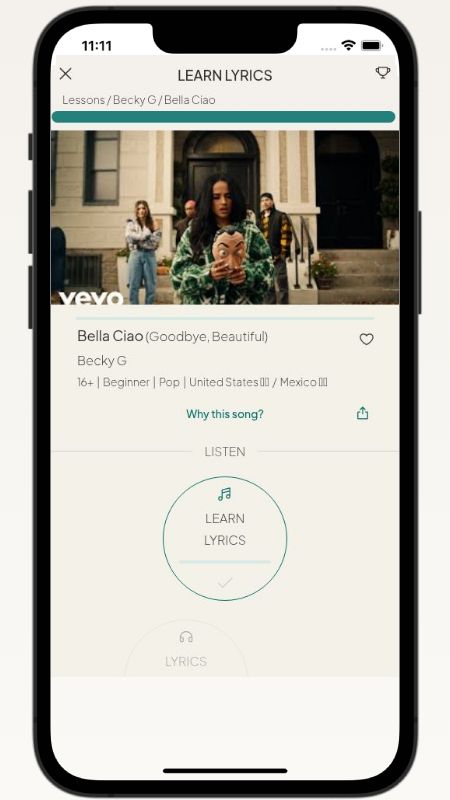
Bella Ciao Lyrics in English by Becky G
Partigiano translates to "partisan," referring to a member of a resistance movement. It's a word rich with historical meaning, especially in Italy.
"Bella Ciao" is an anthem for the Italian partigiani who fought against occupying forces during World War II. Learning this single, powerful word unlocks the entire story of the song: a tale of struggle, sacrifice, and the fight for freedom (libertà).
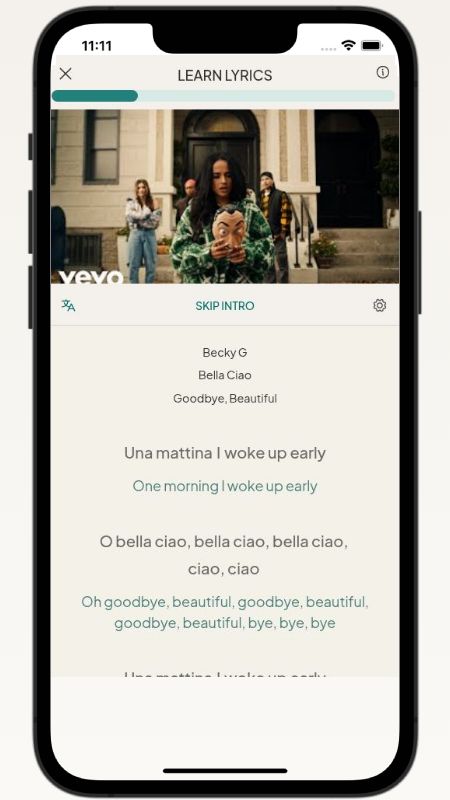
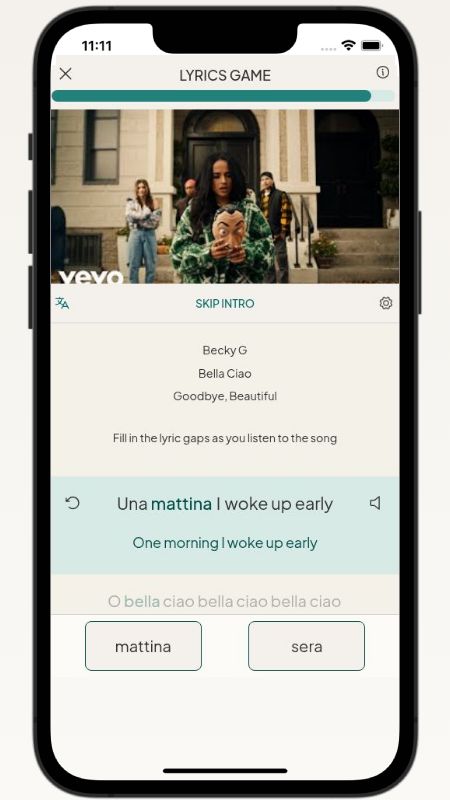
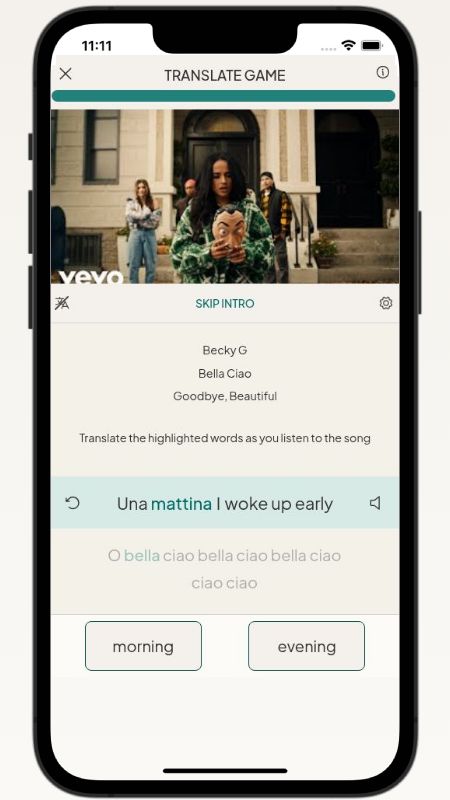
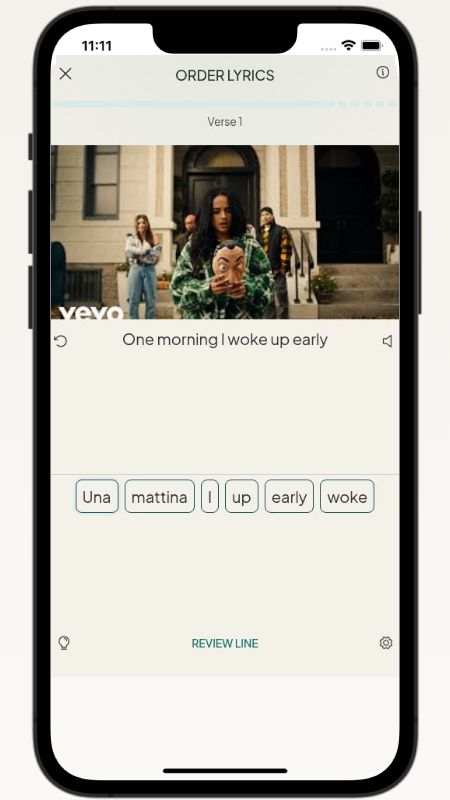
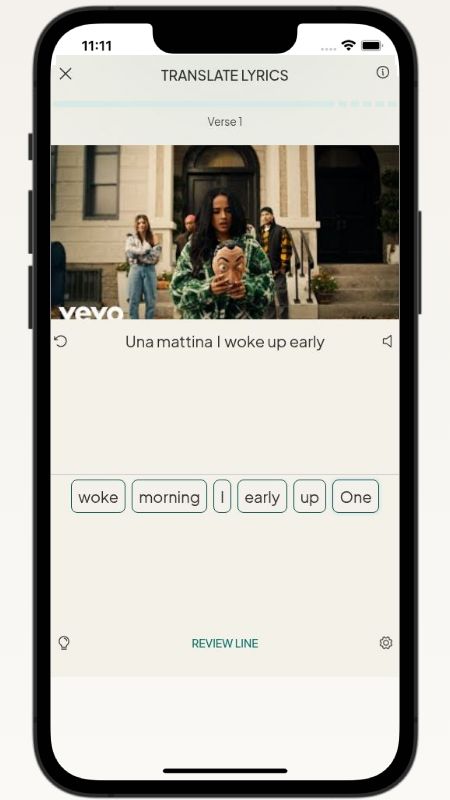
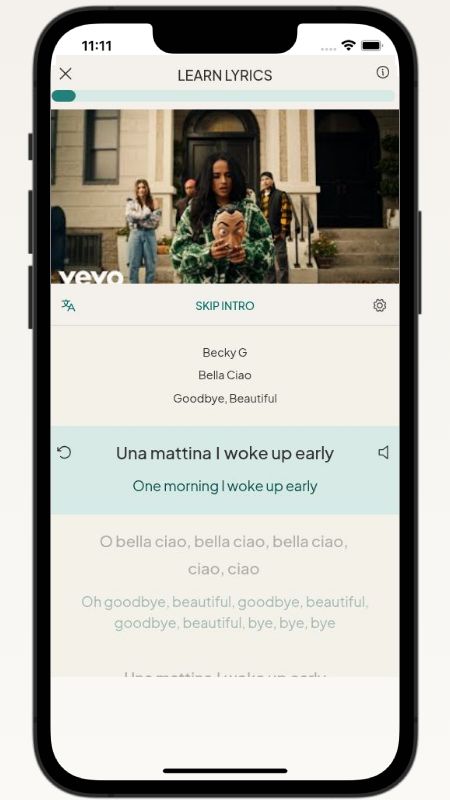
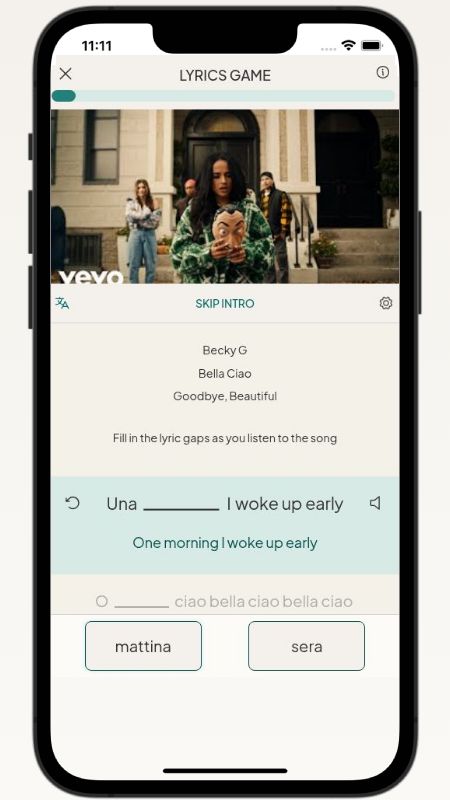
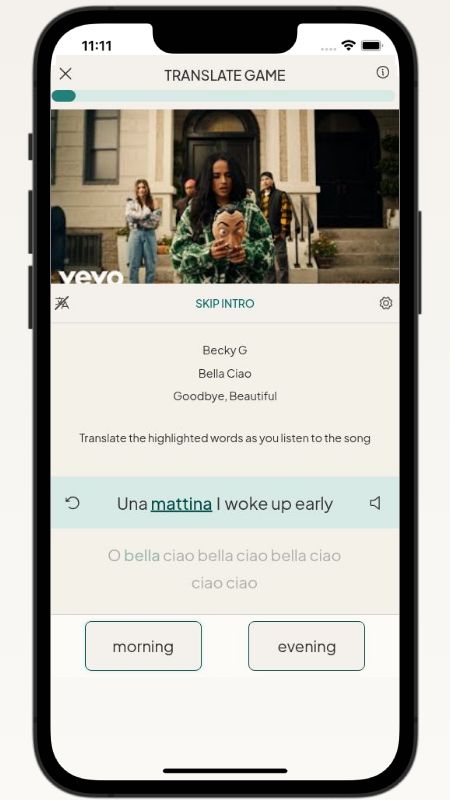
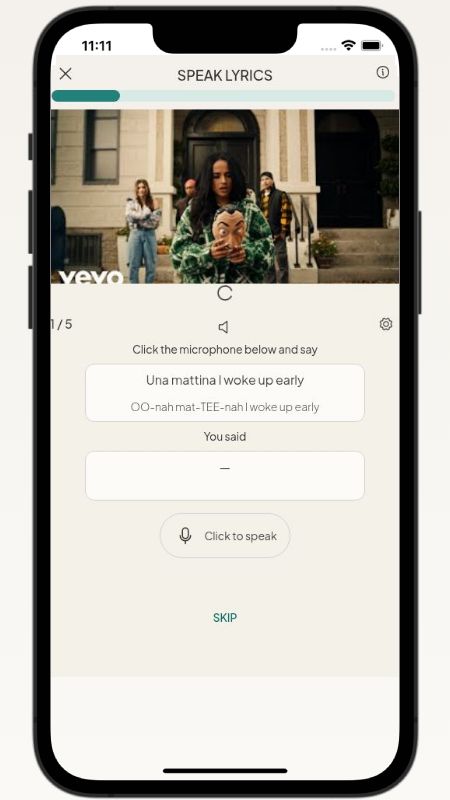
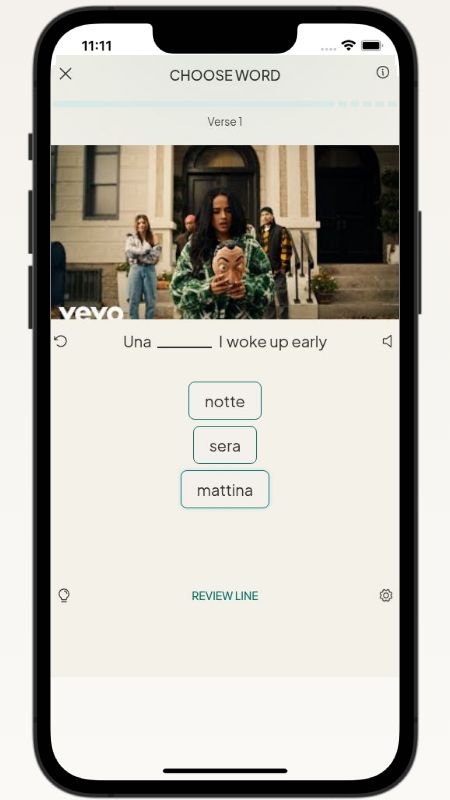
Becky G puts an English-and-Spanish twist on the historic Italian resistance anthem, and the mix of languages hits you right away. The song wakes up in crisis: "Una mattina I woke up early / E ho trovato l'invasor" (One morning I woke up early / And I found the invader). There is no time to pack or make excuses. The singer immediately begs a fighter, "O partigiano, take me with you" (Oh partisan, take me with you), because staying behind feels impossible: "Che mi sento di morir" (For I feel like dying). In English, a "partisan" means a guerrilla resistance fighter, someone defending their homeland against an invading force.
From there, the story looks death straight in the face with a surprisingly gentle final wish. If the narrator falls in battle ("E se io muoio da partigiano" [And if I die as a partisan]), they ask to be buried up on the mountain under the shade of a pretty blossom ("Sotto l'ombra di un bel fior" [Under the shadow of a beautiful flower]). Becky G even blends Spanish into the chorus, singing "Eres the flower del partigiano / Morto per la libertà" (You are the flower of the partisan / Dead for freedom). That bright bloom becomes a living monument for every traveler who walks by, turning a rebel's grave into an eternal reminder of the fight for liberty.