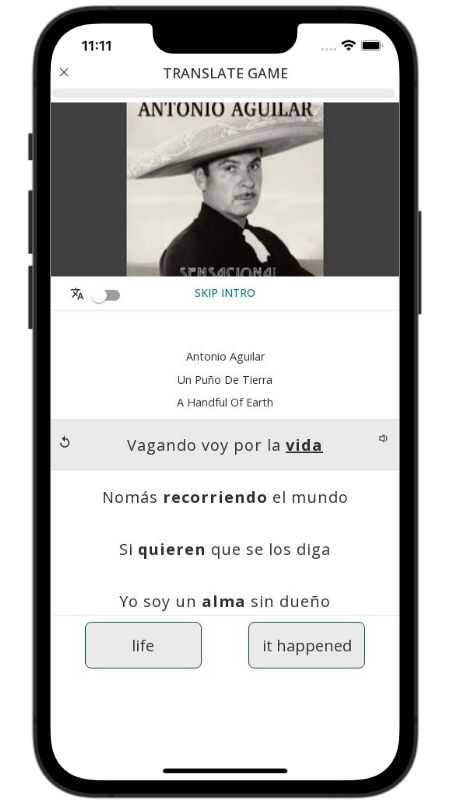
Un Puño De Tierra Lyrics in English by Antonio Aguilar
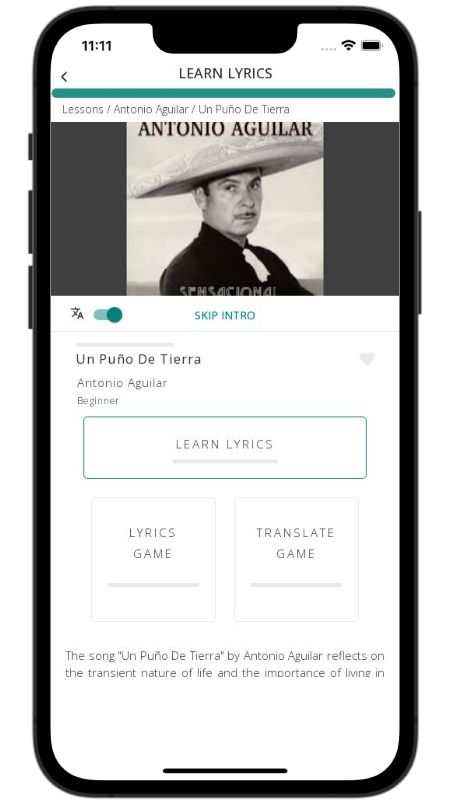
Puño de tierra literally translates to "fistful of dirt" or "handful of earth". It's a powerful and iconic phrase that encapsulates the song's central theme.
In this classic ranchera, Antonio Aguilar reflects on life, death, and material possessions. The phrase signifies that no matter how much wealth or fame one accumulates, in the end, all one takes to the grave is a mere "fistful of dirt." It's a profound reminder of mortality and the importance of living life to the fullest, as nothing else truly lasts.
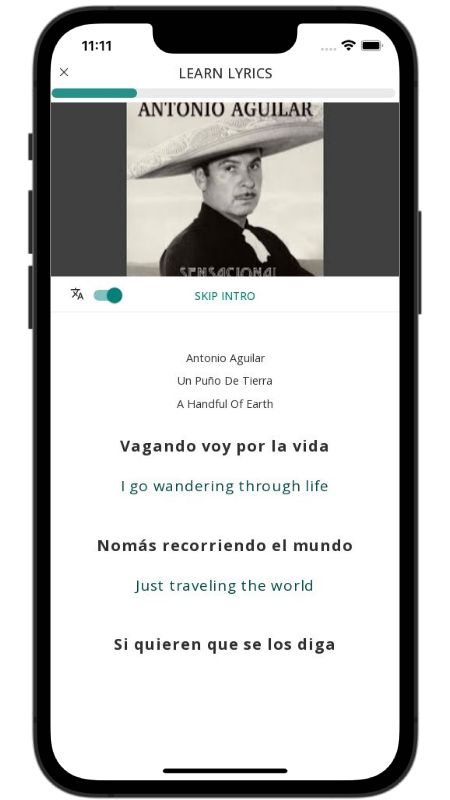
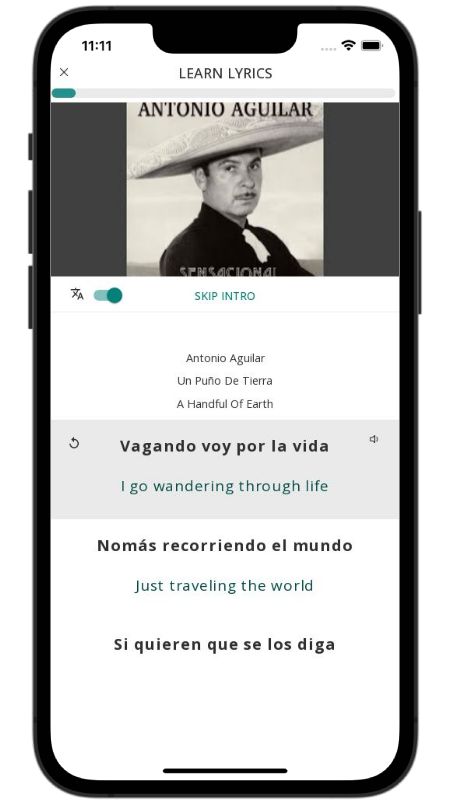
Antonio Aguilar does not sugarcoat a single thing here. Right from the start, he calls himself un alma sin dueño ("a soul without an owner"), wandering the earth and living like a seagull flitting from port to port (de puerto en puerto). He drinks whenever he feels like it, shrugs off societal expectations with pa' mí la vida es un sueño ("to me, life is a dream"), and looks mortality right in the eye. He knows life is short and that his time is borrowed, bluntly saying también la debo ("I owe it anyway"), meaning his life belongs to death in the end.
His whole life philosophy boils down to one great Mexican idiom: hay que darle gusto al gusto (literally "give pleasure to pleasure," or indulge yourself while you can). It sounds reckless, but his reasoning is airtight. You cannot take your possessions into the afterlife. When your days are up, the material stuff stays behind, leaving only memories (nomás los recuerdos quedan). The final payoff gives the song its title: when he is dead and buried, the only thing he takes with him is un puño de tierra ("a fistful of dirt"). It is a funny, defiant shrug at death that tells you to enjoy today's drinks while you are still breathing.