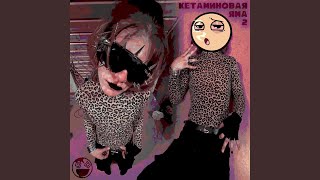
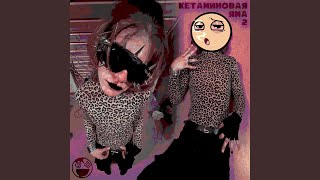
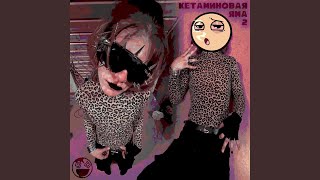
Sugarflip Lyrics in English by 5mewmet
Невеста translates to "bride". While it's a common word in the context of marriage, its appearance in this song is particularly striking and unexpected given the dark and illicit themes.
The lyrics describe a journey to the afterlife, whether it be heaven or hell, with the line "Заберу тебя моя невеста, Мы поженимся уже там в дьявольских руках" (I'll take you, my bride, We'll get married there in the devil's hands). This juxtaposition of a sacred concept like a bride with the imagery of the devil creates a powerful and memorable contrast, making it an enticing word for learners.
"Sugarflip" is a song about wanting to disappear alongside someone else. The narrator keeps returning to the same invitation, asking his partner to go with him rather than asking her to stay.
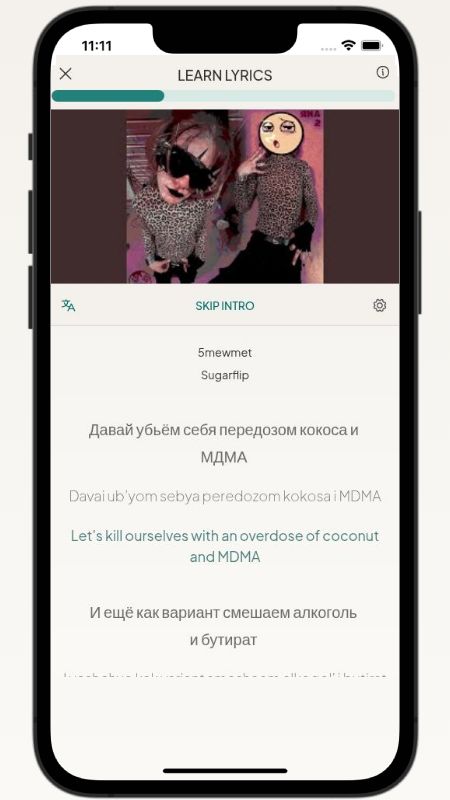
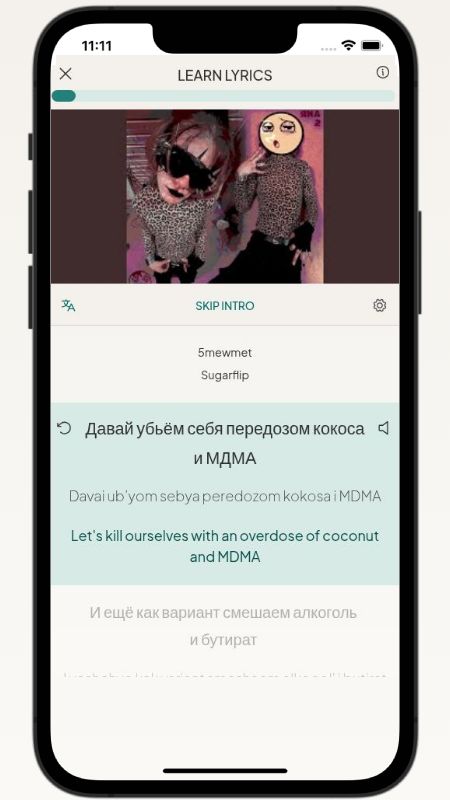
The hook is deliberately blunt. He lists what they could take and treats the overdose as a plan they are making together, the way another song might suggest a trip. The casual tone is the point. He talks about ending his life in the same voice you would use to suggest an ordinary evening.
In the middle of the song the language turns to a wedding. He calls her his bride, says he will come for her, and imagines the ceremony happening after they are gone, in the devil's hands. Death stops being an escape and becomes the place where they finally belong to each other.
Around that runs an admission that he does not know where they will end up. Heaven or hell is left open, and so is whether he goes alone or with her. Only time will tell, he says, which is a strange thing to promise someone you are asking to die with you.
The last line is the one that reframes everything before it. As long as she is with him in hell, he feels like he is in heaven. The song is not really about drugs or about dying. It is about someone who believes company matters more than the destination, and who cannot imagine being saved on his own.
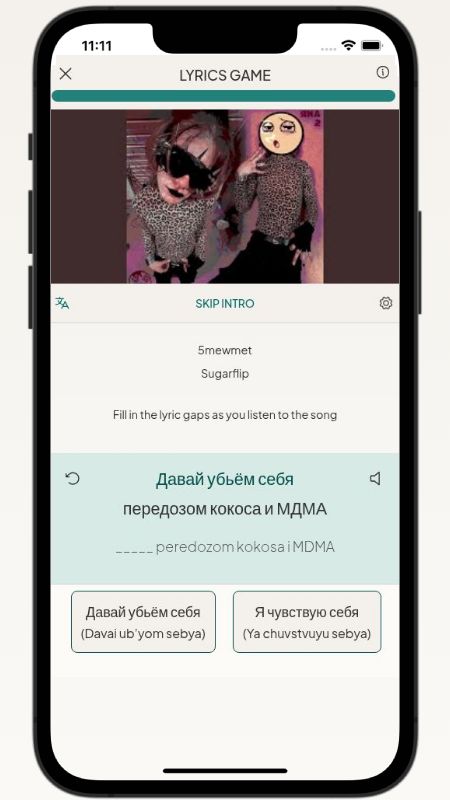
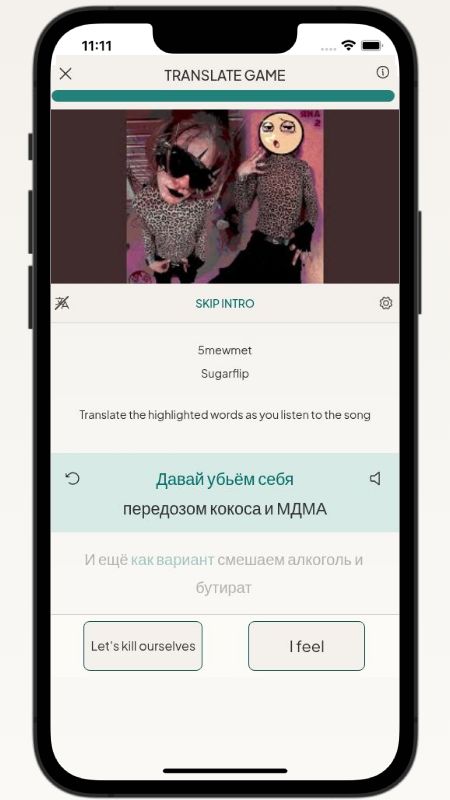
For learners, this song is a compact study in Russian future tense and in first person plural forms. Lines like "давай убьём себя" and "мы поженимся" show how Russian builds a shared intention, and the repeated hook gives you the same structures several times so the patterns settle.