Lejos De Ti Lyrics in English by The Marías
Llanto means "weeping" or the act of crying. It's a poetic noun that captures a deep sense of sorrow, often used in literature and music instead of the more common verb "llorar" (to cry).
In the song, The Marías sing "Entre mis labios, a todo llanto" (Between my lips, in a flood of tears). This beautiful and melancholic phrase paints a vivid picture of someone crying their heart out, making llanto a memorable word to express profound sadness.
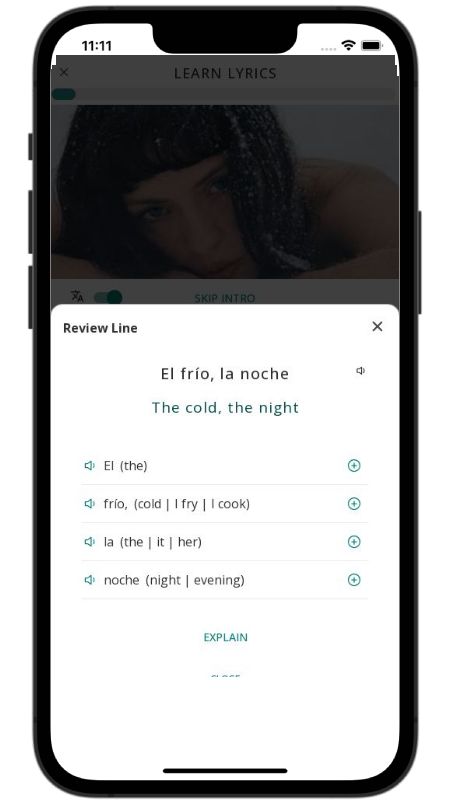
In Lejos De Ti, The Marías take us right into late-night heartache with cold air and endless memories. The singer is overwhelmed by everything that triggers thoughts of an absent lover: "El frío, la noche / Siempre me acuerdo de ti" [The cold, the night / I always remember you] and "Miles de canciones" [Thousands of songs]. The central conflict is the physical distance between them and the quiet panic that they might slip out of each other's memories. That is why she keeps repeating the plea, "No te olvides de mí" [Don't forget me], while wondering why they are apart in the first place.
The emotion turns dramatically heavy in the bridge when she admits, "¿Por qué yo sigo cantando 'No Me Queda Más'?" [Why do I keep singing 'I Have Nothing Left'?] and describes herself crying out loud ("a todo llanto"). Here, she drops a direct nod to the famous Selena ballad "No Me Queda Más", using that classic tune of total defeat to measure her own pain. By the end, the question flips from asking why she is away to wondering why they are away: "¿Por qué estás lejos de mí?" [Why are you far from me?], answering her own fears with a final, stubborn promise: "Nunca me olvido de ti" [I never forget you].