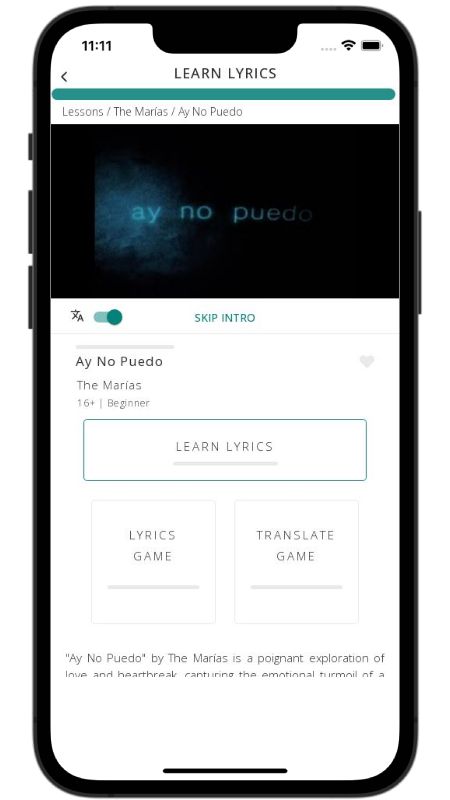
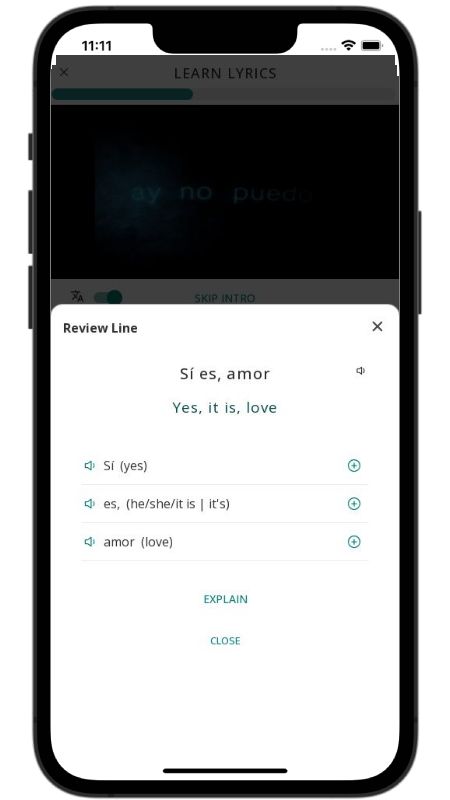
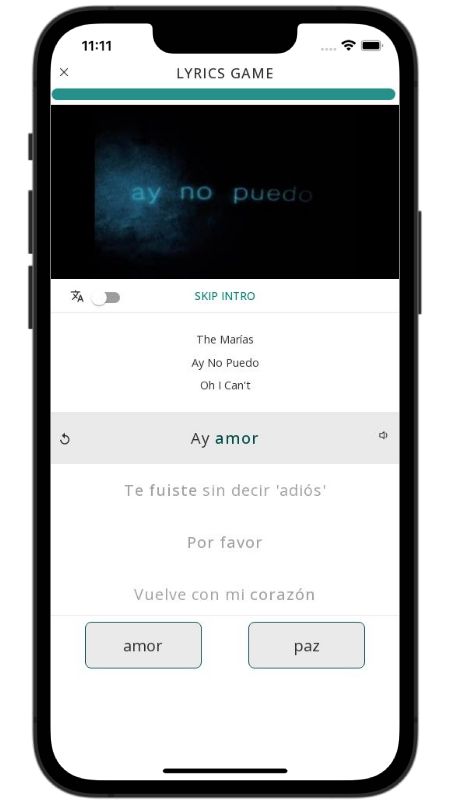
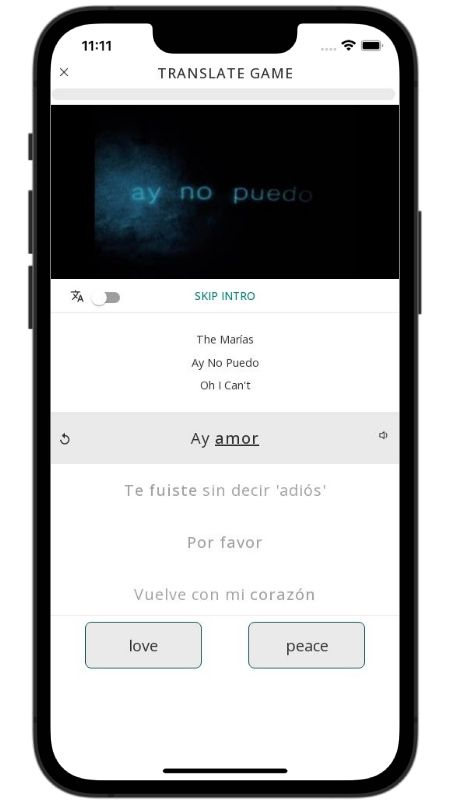
Ay No Puedo Lyrics in English by The Marías
Doncella is a beautiful, somewhat old-fashioned word for "maiden" or "damsel", often found in classic literature and fairytales. It's not a word you hear in everyday conversation, which makes it a unique and poetic discovery.
In the song, the line "cantando Doncella" (singing Maiden) adds to the dreamy, vintage atmosphere The Marías are known for. It's a mysterious and evocative word that paints a picture of timeless, fairytale-like beauty amidst the heartbreak.
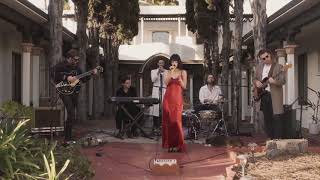
We have all been there: someone ghosts you, leaves you in ruins, and your brain decides to obsess over them forever. In "Ay No Puedo", frontwoman María Zardoya of the US band The Marías wastes zero time being polite about it. Right from the start, she complains that her lover vanished without a word: "Te fuiste sin decir 'adiós'" ("You left without saying goodbye"). Instead of moving on smoothly, she has cosmic hallucinations of her ex—she looks up at night and literally sees their mouth in the sky ("Tu boca está pintada en las estrellas" / "Your mouth is painted in the stars"), while singing about "Doncella" ("Maiden"). Even when she admits the whole thing is shattered into little pieces—"hecho pedazos" ("broken to pieces")—she is still on her knees begging for her stolen heart back.
Then comes the best, most hilariously petty line in the track: "No quiero verte al frente de otra en Ibiza" ("I don't want to see you in front of another girl in Ibiza"). Ibiza is a Spanish island famous worldwide for its wild summer nightlife, electronic dance clubs, and luxury holidays. So of course her ultimate nightmare is picturing her ex slow-dancing with a stranger in his arms ("bailando pasos en tus brazos") on some Mediterranean dance floor. After swearing she has spent an eternity loving him ("Llevo mil años amándote ya" / "I've been loving you for a thousand years already"), she tries to summon the willpower to erase him from her mind. But love wins the fight with pure, exasperated defeat: "¡Ay, no puedo!" ("Oh, I can't!"). It is dramatic, relatable, and wonderfully stubborn.