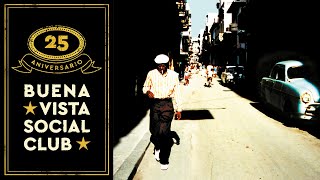
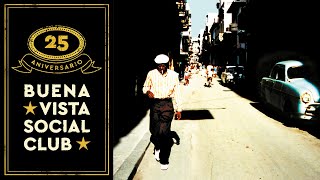
El Carretero Lyrics in English by Buena Vista Social Club
Guajiro is a unique Cuban word for a person from the countryside, often translated as 'peasant' or 'country folk'. It carries a deep cultural significance tied to the land and a simple, rural way of life.
In this classic song, the singer proudly declares, "Yo soy guajiro y carretero" (I am a countryman and a cart driver), celebrating his identity and hard work. Learning this word is key to understanding the heart of Cuban country music, or música guajira, the genre this song represents.
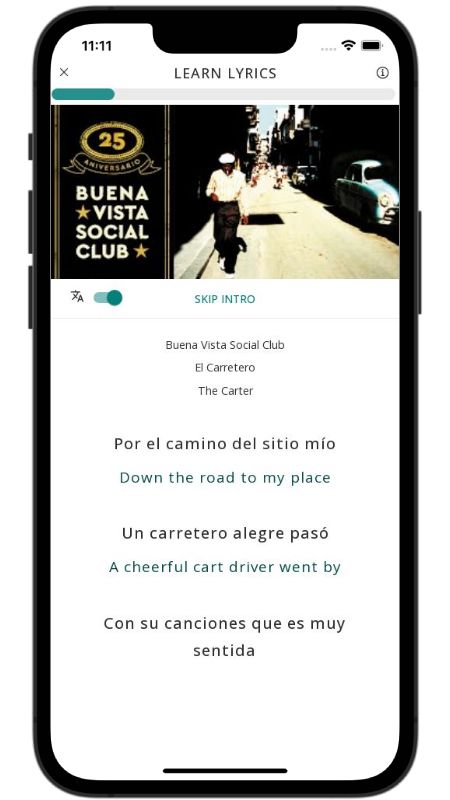
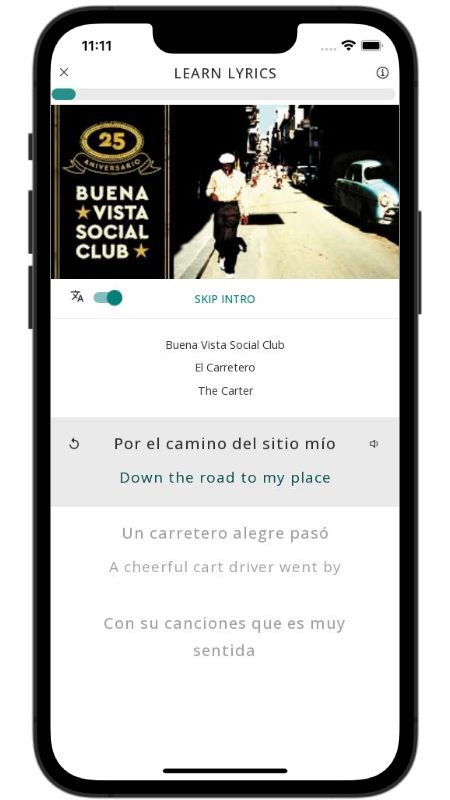
This song tells the story of a happy Cuban carretero, or cart driver. We meet him as he passes by, singing a cheerful country song on his way to work. He's heading off to his job, which he describes as going "al transbordador / A descargar la carreta" (to the ferry / to unload the cart). The repeated line "A caballo vamos pa'l monte" (On horseback, we go to the mountain) feels like the rhythm of his daily journey.
Why does he work so hard? He gives a very sweet and simple reason: "Yo trabajo sin reposo / Para poderme casar" (I work without rest / So I can get married). His goal is to achieve this and become a "guajiro dichoso" (a happy countryman). He clearly loves his life, declaring that the countryside is "el edén / Más lindo del mundo entero" (the most beautiful Eden in the whole world). The song is a beautiful ode to the dignity of labor and finding joy in a simple, rural life.