Não Tardará Lyrics in English by Matheus Rizzo
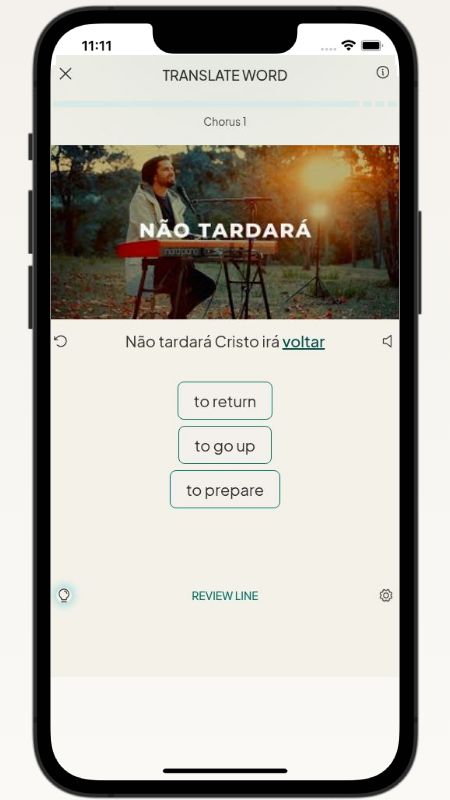
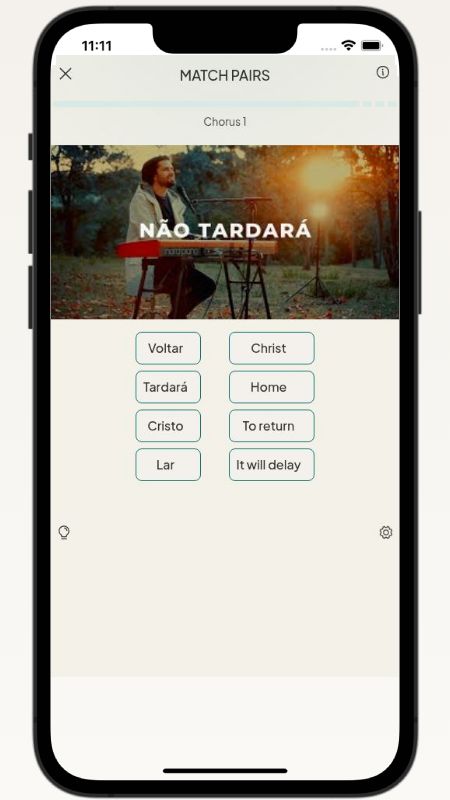
Tardará comes from the verb tardar, meaning "to delay" or "to be late." In this song, it's used in the negative phrase "Não tardará," which means "It won't be long" or "It won't delay."
This word is interesting because it sets the tone for the song's message of anticipation and hope. It emphasizes the imminence of a significant event, making it a key word for understanding the song's central theme.
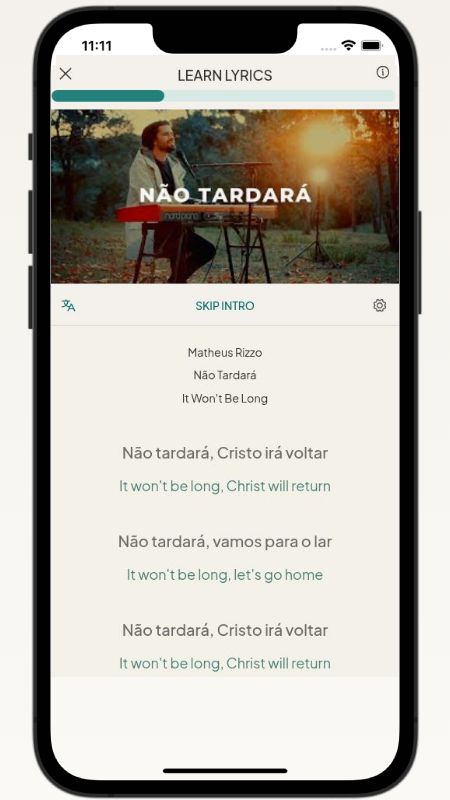
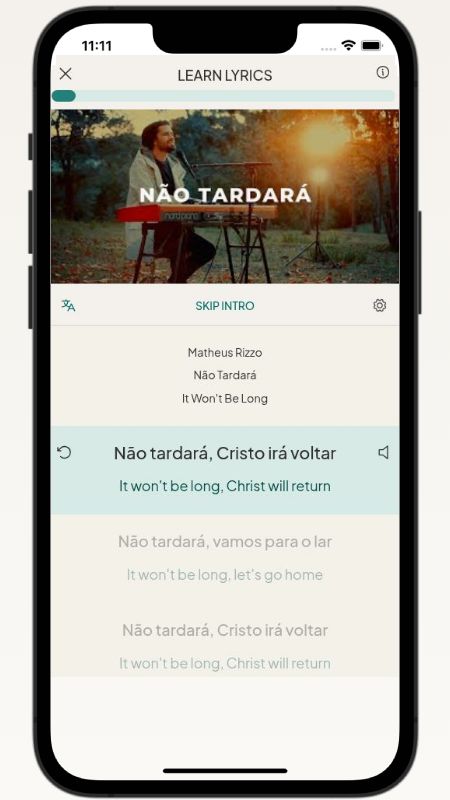
This song is a powerful and direct message of hope. Matheus Rizzo repeats one main idea over and over: "Não tardará, Cristo irá voltar" (It won't be long, Christ will return). It's a song filled with joyful expectation for going "para o lar" (home), which the lyrics later clarify means Heaven. The simple, repetitive structure makes it feel like a personal mantra or a heartfelt prayer you can't help but join in on.
It's not just about waiting, though. The singer makes a personal commitment, saying, "Eu quero me preparar" (I want to prepare myself). This isn't a lonely journey, either. He wants to share this future with someone, singing that he wants to be "junto a você, Lá no Céu" (with you, there in Heaven). And what's the ultimate goal of this journey? It's something beautifully simple: to "Conversar com Jesus" (To talk with Jesus).