Learn Spanish With Pepe Aguilar with these 10 Song Recommendations (Full Translations Included!)
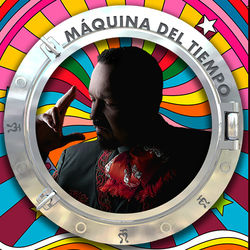
Pepe Aguilar is one of the great voices of modern Mexican music, known for bringing ranchera, mariachi, and regional Mexican traditions to new generations.
Born into the legendary Aguilar family, he is the son of Antonio Aguilar and Flor Silvestre, and has built his own award-winning career with a powerful voice, elegant style, and a sound that blends tradition with modern influences. His music is a great way to hear expressive Spanish, rich emotion, and classic Mexican storytelling.
Pepe Aguilar knows he is losing his cool, and he admits it right off the bat with "Me estoy acobardando y lo ha notado" ("I am losing my nerve and she has noticed"). In this classic piece of Regional Mexican drama, he feels stuck in a loop of personal letdowns—literally singing "Estoy estacionado en los fracasos" ("I am parked in failures"), as if disappointment were a permanent parking spot. His biggest flaw? He gives way too much love ("siempre he dado demasiado") and ends up paying the price every single time.
Instead of walking away quietly, he frames his suffering like an honorable disaster. The chorus brings the real melodramatic punch: "Por mujeres como tú, amor, hay hombres como yo que se pueden morir por dignidad, mordiendo el corazón" ("Because of women like you, love, there are men like me who can die for dignity, biting their own hearts"). That idiom about "biting your heart" shows someone forcing themselves to swallow their pain just to save face. And if pride fails, he admits the backup plan is simply drowning his sorrows: "Que se pueden perder en el alcohol por una decepción" ("Who can lose themselves in alcohol over a disappointment"). It is blunt, dramatic, and totally unapologetic about how messy a bad breakup feels.
Pepe Aguilar sings this bolero as a quiet confession to a close friend. His heart is breaking, and rather than hide it, he lets his friend see the truth: his smile is fake, and the person who was his whole world has left him in the dark.
The song leans into raw sadness without shame. He repeats "me esta llorando el corazon" ("my heart is crying") like a refrain he can't shake, admitting he's dying of grief even as life goes on around him.
By the end, he turns his pain into a wish for his friend: that this kind of heartbreak never happens to them.
Pepe Aguilar builds this one around a blunt idea: some people don't come back because they love you, they come back out of habit. He opens almost casually — "Háblame de ti" ("Talk to me about you") — before telling her exactly why he's sure she'll be back: "Aunque intentes olvidarme" ("even if you try to forget me"), "Siempre volverás" ("you'll always come back").
The hook says the quiet part out loud: "No cabe duda que es verdad que la costumbre" ("There's no doubt that it's true that habit") "Es más fuerte que el amor" ("is stronger than love"). Neither of them pretends the love is still there. "Pero te extraño" ("but I miss you") is as close as it gets to tenderness, and it's answered with "Solo rencor" ("only resentment"). This is a song about staying stuck with someone out of routine, not romance, and it doesn't dress that up.
Prometiste invites us to an emotional scene at a boarding gate where time feels frozen. Pepe Aguilar’s narrator pleads “Quédate un poquito más” while trying to understand how a once-passionate love turned into a painful goodbye. Doubt and disbelief hover in every question he asks: Was their romance ever real? When did the love disappear? The setting captures that universal, aching moment when someone you thought was your forever suddenly walks away.
The heart of the song is a roll-call of broken promises. The singer remembers that his partner swore to:
- never leave him,
- have no reason to live without him,
- love him until the end of time,
- offer warmth in good times and bad.
Every pledge has been forgotten, leaving him with a “robbed” heart. By balancing tender mariachi melodies with raw lyrics, Aguilar paints heartbreak as both intimate and dramatic, turning a personal farewell into a relatable lesson about trust, honesty, and the weight of words we give to the ones we love.
Pepe Aguilar recorded this one as a duet with Miguel Bosé, and it plays like two men comparing notes on the same bad breakup. The hook says it plain: ‘Tu estas siempre en mi mente’ (You are always in my mind), no metaphor needed. He tries reasoning with the memory next: ‘Como quieres tu que te olvide si estas tu’ (How do you want me to forget you, if you are here), which admits the person hasn't actually left, not really.
By the middle he's given up trying to sound composed about it. ‘Dime trato de olvidarte y yo quiero olvidarte’ (Tell me, I try to forget you, and I want to forget you) repeats the wanting twice, like saying it again might finally make it true. It never does. The song just circles back to the same line it opened on, because that's the honest ending: he never gets her out of his head, he just says so one more time.
Pepe Aguilar builds "Mi Credo" around one vow: wherever the person he loves goes, he goes too. He opens with "Por donde vayas iré" [Wherever you go, I will go] and doubles down with "Con una venda en los ojos" [With a blindfold on my eyes] — trust with no conditions attached.
The song keeps borrowing the language of faith to describe romantic devotion: he calls her "mi religión" [my religion] and "mi credo, pedazo de cielo" [my creed, piece of heaven], treating the relationship as something closer to belief than choice. The outro repeats that opening line five times in a row, turning the vow into something closer to a chant than a chorus.
Pepe Aguilar sings a quiet confession here, admitting he never was "tan bueno como lo prometi" [as good as I promised]. Instead of dressing up the failure, the lyrics offer a direct apology - "perdon, por todo todo lo que nunca yo te di" [forgiveness, for everything I never gave you] - then hand the other person the choice to walk away or "ensename a vivir sin ti" [teach me to live without you]. A slow acoustic ballad built around owning a mistake without excuses.
Pepe Aguilar treats heartbreak like something you can strike a deal with. He opens by admitting he's clearing her out of his system — "Estoy vaciando mi vida" [I am emptying my life] — and by the chorus he has a proposal ready for his own grief: "Negociare con la pena, para que no me pegue tanto" [I will negotiate with the sorrow, so that it doesn't hit me so much]. The terms of that deal are specific — a new window built for one purpose, "de mandarla al olvido" [to send her to oblivion] — which is what makes the song feel less like a lament and more like a plan, set against the horns and strings of a ranchera arrangement built for exactly this kind of ache.
"Porque Yo Te Amo" is a ballad about holding back a feeling until it becomes impossible to hold back any longer.
The singer sits across from someone whose eyes and lips seem to say a thousand things without a word, and senses that this person is suffering too, caught in the same confusing situation. Both are pretending it's just friendship, while underneath, real passion is stirring.
He thinks about giving up, walking away, telling himself it might be better and that his heart will find peace once he stops seeing them. But the feeling wins in the end, and instead of staying quiet, he finally shouts it: "Yo te amo" — I love you.
Pepe Aguilar's "Yo Sin Ti" is a powerful declaration of absolute dependence and love. It's a song where the singer tells his beloved that he simply can't function without her. He needs her hand in his, her heart beating for him, and her voice telling him she needs him. He even wants her to "infinitamente sigas dependiendo" [infinitely keep depending] on him, and be "temerosa por qué no me pase nada" [fearful that nothing happens to me]. It's a sweet, if a little intense, picture of wanting to be everything to someone.
The lyrics really drive home this idea of needing her light to guide him, saying "Que nunca falte tu luz en mi alma / Para que yo pueda aterrizar / Sin miedo en la pista" [May your light never be missing from my soul / So that I can land / Without fear on the runway]. He sees himself as lost without her, even calling himself a "gran idiota" [big idiot] who promises he'll never let her go. The chorus is super direct: "Yo sin ti / No soy nada" [I without you / Am nothing] and "Te juro que no estoy aquí / Si me faltas" [I swear I'm not here / If you're missing]. He's basically saying his very existence is tied to hers. It's a dramatic and heartfelt confession of love!

