Learn Spanish With Pablo López with these 15 Song Recommendations (Full Translations Included!)
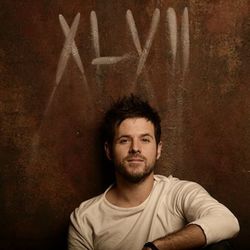
Ever felt lost inside a powerful emotion or a passionate relationship? That's the world Pablo López paints in "Esdrújula." The song describes a love that's a mix of everyday routine, like a "static road," and unforgettable, "historic" moments. The singer feels a bit lost, especially on "damn Thursdays" that make him romantic. He sees his partner, or perhaps the relationship itself, as a force of nature: a storm that desperately wants one thing… freedom.
This isn't just any storm. The lyrics call it the "heartbeat of a broken cloud," a beautiful way to say that powerful feelings are bursting out of a place of vulnerability. The singer doesn't know where this storm is going, reflecting his uncertainty about the future. The title, "Esdrújula," is a special type of Spanish word with a unique rhythm (like histórico or romántico). By filling the song with these words, López adds an extra layer of poetry to this emotional rollercoaster.
Tu Enemigo is a powerful anthem that flips the idea of “us versus them” on its head. Pablo López and Juanes sing from the viewpoint of someone unfairly labeled the enemy: an immigrant, a stranger, a person who simply crossed an invisible line. Instead of answering hate with more hate, the singer reveals a surprising truth – he feels like “the richest man in the world” whenever he receives a hug. Borders dissolve, flags turn into caring hands, and the only real frontier left is a shared song.
Behind the catchy melody lies a clear message: fear and prejudice are the true monsters, not the people we call outsiders. The lyrics invite listeners to speak “face to face” with those they mistrust, to remember that “man is nothing more than a man,” and to realize that love, work, and land are universal rights. In short, the song is a warm reminder that our greatest wealth is our capacity for empathy and that music itself can build the bridge no wall can block.
Pablo López invites us on a stellar journey of innocence, hope and self-discovery. The narrator introduces himself as el niño del espacio, a cosmic child who carries bright yellow flowers and claims to be “part of the light.” Each question he asks - Who gave me a minute that lasts forever? Who wants to know me? - sounds like a knock on the door of possibility, searching for the people and places where he can finally belong. Images of springtime, transparent laughter and sudden dreams paint a universe where tenderness is powerful and curiosity is rewarded.
At its heart the song is a declaration of courage and connection. After waiting “so long,” the child from space is finally heard on the “radio of luck” and decides that fear will no longer guide him. By offering his yellow flowers he invites us to share that bravery: to show our true colors, guard one another’s secrets and step into freedom together. It is a luminous pop anthem that reminds learners - and anyone listening - that meeting someone new can change everything, and that there is always room in our orbit for warmth and wonder.
El Patio turns a simple playground into an emotional battlefield. Pablo López sings from the perspective of someone who still feels like a barefoot child, begging an unwelcome presence to leave his house, his mind, and his memories. The empty patio, the wailing sirens, and the constant cry of “Fuera” paint a vivid picture of lost innocence. Each time he says he is “still playing”, we sense both his fragility and his stubborn hope to protect that last bit of childhood joy.
At its core the song is a plea for liberation from a toxic force—whether it is a destructive relationship, an addiction, or an inner demon that keeps “punishing” him. López mixes vulnerability with defiance. The noisy ghost must go so the narrator can reclaim silence, safety, and the freedom to play, dream, and grow once more.
“Abril Sin Anestesia” is Pablo López’s heartfelt declaration of total honesty. He confesses that he is terrible at pretending, lying, or playing risky games, so he chooses to feel everything without anesthesia. When fear creeps in and his “hands cry,” the only remedy he seeks is the calming gaze of the person he loves. Social norms say it “isn’t right,” yet all he wants is to look at them and ask them to stay the night, turning April’s chill into warmth.
The song’s power lies in its mix of fragility and bravery. Pablo admits vulnerability but also shows how it can be a source of strength: “No te asustes, corazón / Yo aprendí a vivir sin anestesia.” By daring to experience life’s highs and lows in their purest form—and by inviting someone to share that journey—he reminds us that genuine connection is worth any discomfort. Under its graceful piano and soaring vocals, the track becomes an anthem for feeling fear, love, and joy fully awake.
This song describes love as something as vast and uncontrollable as the wind itself. Pablo López sings about a feeling that arrives suddenly, carrying wonder and tenderness alongside fear, like a fire lit by his own madness meeting hers.
He calls it "the biggest hug of all time," a love so complete it feels like it stretches across every era, big enough to hold both the sweetness and the fright that come with caring for someone deeply.
The second half turns toward longing. He wants everything back, the dream he lost, the chance to live it again, still fighting against time itself to hold on to what they had.
Pablo Lopez's "Mama No" is a really interesting song that feels like a conversation, or maybe even an argument, with someone he's trying to convince. He talks about how everyone seems to know him, but not in a good way. He sings, "Me conocen por culpa del aire" [They know me because of the air] and "Me conocen los que hablan de ti" [Those who talk about you know me], which makes it sound like his reputation, or maybe even gossip, is out there because of someone else.
He keeps repeating "Que no me conocen, no" [They don't know me, no], almost like he's pleading. It feels like he's trying to separate himself from whatever narrative is circulating about him and this other person. He even mentions "Y tú casada con el miedo" [And you married to fear], which adds a layer of complexity to their relationship. It's a song about being misunderstood and the struggle to set the record straight when everyone thinks they know your story.
“El Mundo” paints a cinematic scene where the world feels like it is collapsing, yet two lovers create a tiny refuge from the chaos. Pablo López contrasts our childhood dreams of becoming gigantes with the harsh reality of a planet that “breaks and explodes.” In this turbulent backdrop, he whispers a simple wish: “Solo quiero que te quedes en mi cama” — I just want you to stay in my bed. The song reminds us that when everything outside goes haywire, love can still build a protective bubble, at least for one stolen night.
While the lyrics flirt with apocalyptic images — “el mundo salta por la ventana,” “el mundo mata” — they are also a playful invitation to ignore the end of days and get lost in someone’s arms. The repeated “¿y si mañana…?” questions underline how uncertain tomorrow is, so why not cling to the present kiss? “El Mundo” ultimately balances dread and desire, showing that passion can be both a hiding place and a small act of rebellion against a world that sometimes feels too heavy to bear.
Get ready to feel empowered with Pablo López's "La Función"! This song is all about breaking free from the past and stepping into your power. Pablo sings, "Hoy no tengo tiempo para recordarte una vez más" [Today I don't have time to remember you one more time], making it clear that he's done dwelling on what's over. He's moving on, declaring, "Voy camino de dejarlo todo atrás" [I'm on my way to leaving everything behind].
It's a powerful anthem of self-discovery and taking control. He's not holding back anymore, saying, "Ya no tengo por qué callar" [I no longer have to be silent]. The line "La función acaba de empezar" [The show has just begun] isn't just a catchy phrase; it's a declaration that he's ready to live life on his own terms, with "vida, sueños, y ganas" [life, dreams, and desires]. It's a fantastic song for anyone who's ready to turn the page and start their own show!
“Hijos del Verbo Amar” paints a cinematic portrait of two wild hearts who refuse to bow to the poisoned world beneath their feet. Wrapped in vivid images—burning clothes, marching under rain, suitcases aimed straight at the sun—Pablo López celebrates lovers who dare to shout, dance, and reinvent themselves instead of hiding their scars. They are “children of the verb amar,” blessed by the earth itself, and their battle cry is simple: long live love, long live those who kiss as if tonight were the last moon.
The song is a rallying anthem for freedom seekers. It urges us to burn away fear, outwit whatever “god” tries to cage us, and waltz through life with fearless passion. By the final chorus, we are invited to join this intimate revolution—packing our own “maleta,” stepping into the sun, and guarding our liberty so that nobody can silence our voices or steal our capacity to love wildly.
Imagine walking into a room, guided only by someone else’s whispered words, and suddenly finding yourself in a whirlwind of stolen breaths and hurried kisses. That is the spark at the heart of Te Espero Aquí. Pablo López and Georgina sing about two strangers who collide unexpectedly, share a night so intense it feels timeless, then separate too fast to be sure what really happened. The lyrics replay that short-lived magic: how every word tasted like a promise, how the clock outside threatened their new-born song, and how morning came with the haunting question “Did I hold you long enough?”
Now the singer waits, chest still burning, determined to clear the doubts that were left behind. He admits he rarely loses sleep for anyone, yet her memory is glued to his heart. The song weaves longing and self-reproach—“I should never have walked down those stairs”—with a hopeful plea: “Come back, I am still here.” It is a delicate mix of passion, regret, and optimism, showing that even the briefest encounter can echo forever when you are willing to wait and see if love decides to return.
“Vi” is Pablo López’s cinematic diary of everything his eyes and heart have witnessed. In just a few verses, he flips through a lifetime of scenes: love abandoned, courage lost on stage, dreams that die and miraculously revive. The Spanish singer pours this roll-call of memories into a humble testament, asking a burning question that hangs over every line: “If the world ends today, what will you take with you… and what will I keep?”
The song is both a celebration and a reckoning. López toasts wild dawns soaked in wine, confesses to battles won and lost, and points out the envy, lies, fortunes, and needs he has seen along the road. Each “Vi” (“I saw”) is a snapshot that reminds us life is equal parts glory and ash. By the final chorus, the listener is invited to do the same soul-inventory: choose the moments, feelings, and truths worth carrying when everything else burns away. It is a stirring reminder that our real legacy is the sum of what we have lived, not what we possess.
"El Futuro" opens with Pablo López talking someone down from spiraling: "No te despiertes con el futuro" (don't wake up with the future). He wants her disconnected and present, free of the phone-and-bad-coffee anxiety before the day even starts, and underneath the advice there's a plea for permission too, don't let anyone else's judgment reach this.
Then the song swings from advice to vow. The chorus keeps landing on "Seremos tierra y animal" (we'll be earth and animal), a promise to come back and dissolve whatever's polite between two people. He calls himself "Salvaje y triste" (wild and sad), pulled toward someone he only describes as the light over a city. Whatever came before gets written off as "Vidas de papel" (paper lives), flimsy, easy to tear. By the last verse he's stopped answering questions about tomorrow and just repeats the one thing he's sure of.
“Ven” is Pablo López singing to someone he can't stop waiting for. The song opens on a sleepless night: “Están calladas, están calladas, sí” [“They're quiet, they're quiet, yeah”], the voices that used to whisper to him now gone silent, and he can't shake the bitter taste in his mouth or the light keeping him awake.
Every chorus repeats the same offer, tender and a little reckless at once: “Si vienes hoy te dejaré” [“If you come today I will leave you”] the door open, no questions asked, no matter how long she's been gone. He knows exactly what it costs him: “Y rompemos a mordernos” [“And we break to bite each other”], love here isn't gentle, it's losing your head together and getting hurt in the process, and he wants it anyway. By the end he's still awake, still asking, admitting that pretending none of this matters isn't living at all.
El Camino is Pablo López’s anthem for anyone who refuses to stop chasing a dream, a person, or a feeling that sparks their soul. The singer walks a long, winding road, carrying both scars and lessons, yet his eyes stay fixed on a distant love he barely knows. Instead of fearing pain or lamenting ‘cardboard hugs’ and angry fools met along the way, he celebrates the bruises as proof that the journey is real and worthwhile.
The song’s message is clear: keep moving. López salutes the ‘romantic savages’ and ‘banished dreamers’ who travel beside him, encouraging us to embrace every stumble, every fall, as a precious gift. In this uplifting blend of hope and resilience, the road itself becomes the reward, because each step brings us closer to the joy that first set our hearts in motion.

