Learn Spanish With Lila Downs with these 15 Song Recommendations (Full Translations Included!)
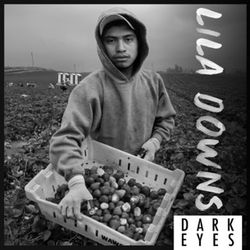
Ana Lila Downs Sánchez, known professionally as Lila Downs, is a captivating Mexican singer-songwriter from Tlaxiaco, Oaxaca. Born on September 9, 1968, she masterfully blends traditional Mexican music with Latin rock, infusing her songs with indigenous languages like Mixtec, Zapotec, Mayan, Nahuatl, and Purépecha. Her distinctive voice and powerful storytelling highlight social issues such as immigration and indigenous rights, earning her international acclaim.
Lila's music is deeply rooted in her multicultural heritage, drawing inspiration from her Mixtec mother and Scottish-American father. Throughout her career, she has released numerous acclaimed albums including "La Sandunga," "Border," and "Pecados y milagros," winning a Grammy Award and multiple Latin Grammys. Beyond her artistry, Lila Downs is celebrated for her vibrant fashion and activism, making her a bold cultural icon in contemporary Latin music.
From the very first accordion riff, La Cumbia del Mole whisks us into a bustling Oaxacan kitchen where music, food and folklore simmer together. Lila Downs and her Tejano guests invite us to sip mezcal with coffee, sway to the cumbia rhythm and watch the molendera grind an aromatic parade of ingredients: peanuts, dry bread, almonds, chile, salt, chocolate, cinnamon, pepper and cloves. Each repeated ¡Se muele! turns the kitchen’s mortar into a percussion instrument, blending sound with the scents of the region.
At the heart of the song is the figure of Soledad. She is part beloved cook, part spiritual muse, promised to prepare the singer a little pot of mole beneath the starlit ruins of Monte Albán. Her name also echoes the Virgin of Solitude, Oaxaca’s patron saint, linking the sensual pleasure of food to devotion, fiestas and fireworks where a torito (bull-shaped pyrotechnic) is burned for good luck. In short, this joyful anthem celebrates Oaxaca’s ability to heal bad moods with herbs, unite people through shared plates and turn every grind of the metate into a reason to dance.
Lila Downs leans straight into dramatic longing with "Cariñito." The lyrics waste zero time beating around the bush. From the first beat, the singer confesses that love is actually making them weep: "Lloro por quererte, por amarte, por desearte" ("I cry from wanting you, from loving you, from desiring you"). It is completely over-the-top, desperate, and totally honest about the dizzying sting of desire.
The core of the track is a direct plea to keep that person around at all costs. Calling out with tender terms like "ay, cariño, ay, mi vida" ("oh, honey, oh, my life"), the voice begs: "Nunca, pero nunca me abandones, cariñito" ("Never, ever abandon me, my little darling"). Adding the diminutive suffix -ito to cariño (affection) turns it into an intimate term of endearment, like calling someone your sweet little love, making the desperate fear of being left behind feel deeply personal.
Mexican-American singer Lila Downs delivers the ultimate breakup kiss-off in "Solita Solita", and she does not waste time being polite about it. Her ex blames her for the whole fallout, claiming "todo lo que nos pasó fue por mi culpa" ("everything that happened to us was my fault"). Instead of arguing, she just packs his bags and tells him to hit the road: "Llévate tus cosas también" ("Take your things too"). She admits she is done being the person who sits around waiting for someone to change ("Ya no voy a ser la que siempre te espera" / "I am no longer going to be the one who always waits for you"). The heartbreak stops hurting the moment she redirects all those wasted romantic promises back toward herself ("Esta vez me quiero yo a mí misma" / "This time I love myself").
The chorus hits with pure joy and a bit of attitude. Lila celebrates her independence with the catchy phrase "Solita me siento bonita" ("All alone, I feel pretty"). Notice how adding -ita makes sola (alone) softer, almost like a cozy, happy solitude. But do not mistake being happy alone for being docile. She immediately drops the best line of the track: "Pero nunca calladita, no" ("But never quiet, no"). It is a sharp pushback against the tired idea that women should stay silent to keep the peace. Single, confident, and loud about it, she proves that walking away on your own terms feels fantastic.
Zapata Se Queda feels like a mystical late-night march. At three in the morning the singer half-dreams, half-walks, hearing a soft voice urging her to camínale despacito – walk slowly. The music blends accordion cumbia, Mexican son, and Colombian tambor, creating a hypnotic trance where reality blurs with legend. In this twilight state, pistol shots echo through the jungle, a black rooster falls, and dust rises on the calle de milagros – all vivid images that paint the restless landscape of rural Mexico.
At the heart of the song stands Emiliano Zapata, the beloved revolutionary who fought for land and justice. His “perpetual light” guides the narrator, chasing away fear and doubt from her path. Dreaming of Zapata turns hesitation into resolve: no hay ni miedo ni duda sobre mi destino – there is no fear or doubt about my destiny. By the end, Lila Downs, Celso Piña, and Totó La Momposina invite the listener to carry Zapata’s spirit north and south, keeping his fight alive with every step and every beat of the music.
In "La Curación," which means "The Healing," Lila Downs sings about the painful process of grieving a sudden and unexpected loss. She speaks directly to death, telling it to stay away, and to her lost loved one, who she believes is watching over her. The lyrics capture the difficult balance of needing to cry while also finding the strength to carry on: "Tengo que llorar y tengo que ser fuerte, mujer / Se dice fácil, pero otra cosa es ser valiente" (I have to cry and I have to be strong, woman / It's easy to say, but it's another thing to be brave).
The song is a powerful message about resilience and the enduring nature of love. Downs finds a path to healing by holding onto memories and believing that love is immortal. She uses the memory of her loved one to mend her own heart, transforming deep sadness into a source of strength. The song becomes a promise to herself to be brave in order to heal, reminding us that even in our darkest moments, we can find a way forward.
This song, "Cuando Vuelva A Tu Lado" by Lila Downs featuring Alondra de la Parra, is a passionate plea for a second chance at love, but with some very specific conditions! The singer is returning to her love and wants no questions asked: "No me preguntes nada / Que nada he de explicarte" [Don't ask me anything / For I have nothing to explain to you]. It's a bold move, almost demanding that the past be forgotten.
She's not just asking for forgiveness; she's asking for immediate intimacy and a complete surrender to their shared passion. She wants her lover to "Une tu labio al mío / Y estréchame en tus brazos / Y cuenta los latidos / De nuestro corazón" [Join your lips to mine / And hold me in your arms / And count the beats / Of our heart]. It's a dramatic and intense request, suggesting that their love is so strong it can overcome any past mistakes, as long as they focus on the present moment and the undeniable connection they share.
Have you ever looked back and realized you were happy, but you didn't know it at the time? Lila Downs explores this exact feeling in "Fuiste Feliz." The song speaks to someone who is full of potential, with "mucho arte para inspirarte" (a lot of art to inspire you) and "mucha palabra para liberarte" (many words to free yourself). Yet, instead of using these gifts, this person only complains and criticizes without taking any action.
The singer reminds them of all the blessings they overlooked. They had a job, a family, and the strength of a "montaña" (mountain) inside them. With powerful images like "El águila de dos cabezas" (The two-headed eagle) and the daily fortune of "El sol y la luna" (The sun and the moon), the song paints a picture of a life that was already full. It’s a powerful call to stop waiting for happiness to arrive someday and to recognize the good things you have right now.
Get ready for a playful battle of wills in Lila Downs' "Ni Maíz"! The song is a feisty conversation between two people in a complicated dance of attraction and rejection. One voice, likely a woman, is sharp and suspicious. She sees right through the other person's innocent act, calling them a smooth-talking "coyote" who uses rehearsed lines. She warns them to back off and not to tarnish her reputation.
But the song is full of twists! The other voice, a persistent suitor, refuses to take no for an answer. The title itself, "Ni Maíz," is a very Mexican way of saying "No way!" or "Not a chance!" This phrase becomes the heart of their back-and-forth argument:
- She says: "Yo digo que no, tú dices que sí" (I say no, you say yes)
- He says: "Tú dices que no, yo digo que sí" (You say no, I say yes)
It's a classic push-and-pull, a flirtatious game where one person insists "no way," while the other is confident they can win them over.
Balas y Chocolate is a punchy anthem where Lila Downs pits two powerful symbols against each other: bullets that represent the violence and chaos surrounding her homeland, and chocolate that embodies love, heritage, and sweet resilience. From the very first lines, flying bullets skim the earth while the singer clings to the comforting taste of cacao and the heartbeat-like chant late, late. In this musical tug-of-war, chocolate becomes more than a treat; it is a shield made of affection, culture, and the will to keep dancing even when danger lurks.
The song’s mid-section rattles off a tongue-twisting catalog of threats—crime, addiction, natural disasters, political corruption, even soap-opera fright—but each menace is met with the same defiant response: Mi vida, mi dulce, te quiero chocolate. By celebrating love, community, and indigenous roots, Downs invites listeners to swap fear for rhythm and bitterness for sweetness, proving that no bullet can pierce the strength of a heart fueled by cacao and hope.
Lila Downs's "El Silencio" drops us into a quiet, curfewed night, where "Noche de coyotes y luna" [Night of coyotes and moon] sets a slightly eerie scene. The singer is waiting for someone who never arrives. She remembers the sun burning her thoughts, walking alone, seeing an announcement on a corner, and patrols watching every door. It feels like a time of restriction and longing, where the distant city noise swallows up the awaited footsteps and kisses: "Y no llegaste tú / Se perdieron tus pasos / Por el lejano ruido de la ciudad" [And you didn't arrive / Your steps were lost / By the distant noise of the city].
Even at noon, there are only "Fantasmas" [Ghosts]. She hears a ranchera song on a loudspeaker and finds herself thinking of the person's gaze, knowing they might be listening to the same radio. Despite the sadness, there's a surprising calm, a realization that "El milagro es despertar" [The miracle is to wake up]. The song ends with her noticing small, secret things around her—ants building under her bed, a motor that seems to breathe—while the person still hasn't arrived. It's a beautiful, melancholic look at waiting, absence, and finding a quiet peace amidst it all.
Have you ever felt like you were just too much for someone? Lila Downs captures that feeling perfectly in this powerful breakup anthem, "Vas De Salida," which translates to "You're on Your Way Out."
This isn't a sad song about heartbreak. Instead, it's a declaration of self-worth and finality. The singer has made up her mind: the relationship is over. She states plainly, "Mi conclusión es que yo te quede muy grande" (My conclusion is that I was too much for you). She's not wasting any more time on someone who "no me sabe amar" (doesn't know how to love me) and brings nothing good to her life. With confidence, she declares that forgetting him won't hurt and that she'll have plenty of people to console her. It's a bold statement that she's moving on, and he's officially on his way out.
Lila Downs's "Clandestino" tells a powerful story of migration and identity through the eyes of someone living without legal papers. The singer describes a life of constant movement and hardship, saying, "Sola voy con mi pena / Sola va mi condena" [Alone I go with my sorrow / Alone goes my condemnation]. It's a lonely existence, defined by the need "Correr es mi destino / Para burlar la ley" [Running is my destiny / To outwit the law].
The song really brings home the feeling of being an outsider, lost in a big city. The singer is "Perdida en el corazón / De la grande Babylon" [Lost in the heart / Of the great Babylon] and is called "clandestino" just "Por no llevar papel" [For not carrying papers]. It's a stark look at how a person's life can be reduced to a legal status, even as they work hard and leave their past behind, stating, "Mi vida la dejé / Entre Tijuana y Bagdad" [I left my life / Between Tijuana and Baghdad]. The song then lists many nationalities and places, like "Peruano ¡Clandestino!" and "Mexicana ¡Clandestina!", showing that this experience is shared by many across different regions.
Have you ever had a connection with someone that felt like a powerful spell? That's the feeling Lila Downs captures in "Conjuro," which means "spell" or "incantation" in Spanish. The song describes a love that's supposed to be over. The singer and her ex have agreed to stay apart, saying "cada quien está bien con lo que tiene" (everyone is fine with what they have). But it's not that simple. His name is a "conjuro del pasado" (a spell from the past), and despite going their separate ways, they remain "enredados" (entangled).
This powerful connection creates a war within the singer. One moment, seeing him makes her feel the "tierra temblar" (earth tremble), and she's ready to "empezar la guerra" (start the war) of passion. The next, his absence makes her soul break. This intense back-and-forth is summed up in her nightly prayer: she prays either to finally forget him or for him to give her a kiss. It's a feeling of losing control, of melting "como cera" (like wax), caught in a powerful emotional trap.
La Patria Madrina is a foot-stomping battle cry where Mexican powerhouse Lila Downs teams up with Colombian star Juanes to turn grim headlines into fierce resolve. The singers wake up, crust still in their eyes, and are blasted with images of mass graves, wounded nature and the greed of the oil business. Instead of surrendering to depression, they flip the script with the defiant hook "y todo amaneció, mejor" — insisting that dawn can still look brighter if we fight for it, sing for it and even dance for it.
The track personifies Latin America as a protective godmother, a patria madrina whose heart must be defended with machetes, maracas and moral courage. Downs and Juanes expose oil lust, consumer frenzy and political apathy while saluting freedom heroes like Simón Bolívar, José Martí and Vicente Guerrero. They plant corn in a discarded tire, wash down harsh truths with chile, beer, mezcal and tequila, and invite everyone to move their bodies to a rebellious rhythm. Equal parts environmental manifesto, social protest and fiesta, the song reminds us that resistance can be loud, colorful and contagiously hopeful.
Get ready to feel empowered with Lila Downs and Snow Tha Product's "Cambias Mi Mundo"! This song is a powerful anthem about personal liberation and inner strength. Lila starts by setting a scene of cumbia music filling her body and mind, searching for someone through the loudspeaker. She talks about her 'patria' [homeland] and a raised fist, implying a fight for freedom, saying, "Ya no te escondas, ojos de caudilla" [Don't hide anymore, leader's eyes]. She believes in the strength within, telling us, "Eres más fuerte de lo que pensabas" [You are stronger than you thought].
Snow Tha Product jumps in with her own fierce energy, declaring, "Tengo mi ritmo, yo ando bien acomoda'" [I have my rhythm, I'm well-adjusted] and carrying the culture of her father in her soul. She's all about freedom, stating, "Soy signo de la libertad" [I am a sign of freedom] and doesn't care about society's expectations. Both artists emphasize that this inner power can "Cambias mi mundo en un segundo" [Change my world in a second] and lead to true freedom. It's a call to remember your own truth and the strength of the 'niña que llevas dentro' [girl you carry inside], encouraging you to be loyal to yourself above all else.

