Learn Spanish With La Oreja de Van Gogh with these 23 Song Recommendations (Full Translations Included!)
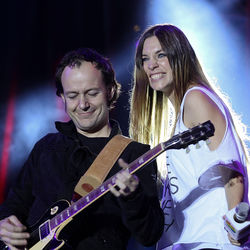
La Oreja de Van Gogh is a celebrated pop rock band originating from San Sebastián, Spain, known for their heartfelt lyrics revolving around love, friendship, and relationships. Since their formation in 1996, the group has released nine studio albums, including hits like "Puedes Contar Conmigo," "Rosas," and "Muñeca de Trapo," captivating audiences across Spain and Latin America.
The band initially rose to fame with lead vocalist Amaia Montero, whose voice helped propel albums like El viaje de Copperpot to diamond status. Following Amaia's departure in 2007, Leire Martínez took over as lead singer, continuing the band's legacy with successful albums and tours until 2024. La Oreja de Van Gogh's timeless melodies and poetic storytelling have earned them numerous awards, securing their place as icons of Spanish pop music.
Spanish pop group La Oreja de Van Gogh delivers an intensely dramatic ballad about a love that is falling apart under the weight of routine. Right from the start, the lyrics refuse half-hearted affection: "Si has tenido que pensar / Si me lo dabas al llegar / Ese beso nació muerto" ("If you had to think about whether to give it to me when you arrived, that kiss was born dead"). The singer demands full devotion, asking that your heart drop to its knees even when standing just a centimeter away. When that warmth disappears, the whole world crashes down: "Nuestra estrella se cayó / Y nos partió la casa en dos" ("Our star fell and broke our house in two").
The chorus hits with an urgent plea for connection before everything slips away completely: "Abrázame abrázame / Que el sol se va / Y hay que volver" ("Hold me, hold me, because the sun is setting and we have to go back"). There is a heavy feeling of being stuck to the ground despite having wings to fly, weighed down by "tanto, tanto amor" ("so much, so much love"). By the end, the song asks for one final, united step forward, begging "No te vayas sin mí" ("Don't go without me") so the sea breeze can carry away whatever ashes remain.
Have you ever held onto a memory so tightly that decades feel like yesterday? In "La Playa", Spanish pop band La Oreja de Van Gogh tells the story of someone sitting by the sea, remembering a first meeting that happened a lifetime ago. The narrator wonders right away: "No sé si aún me recuerdas" ("I don't know if you still remember me"). It turns out this isn't recent heartbreak. The narrator drops a staggering detail later on: "Más de cincuenta veranos / Hace hoy que no nos vemos" ("More than fifty summers / have passed today since we last saw each other"). That is over half a century of holding onto a single encounter, waiting to fulfill a goodbye promise: "Te hice una promesa / Volverte a ver así" ("I made you a promise / to see you again like that").
The beating heart of the track is a wildly ambitious pledge: "Te voy a escribir la canción más bonita del mundo" ("I'm going to write you the most beautiful song in the world"). That is a bold, almost ridiculous promise to make, but the song owns it. Look out for the lyric "este loco de poco se olvida" ("this crazy person forgets very little"). In Spanish, putting "de poco" before "se olvida" is a clever, conversational way to say they remember practically everything. Even after a lifetime drifts by—"Por mucho que pasen los años de largo en su vida" ("No matter how many years pass right by in their life")—the memory of watching the sunrise together remains completely untouched.
Have you ever convinced yourself that an ex might randomly show up at your door with a bouquet of flowers, even though you know it sounds completely ridiculous? That exact delusion is the heart of "Rosas" by Spanish pop band La Oreja de Van Gogh. The narrator runs into her former partner on an ordinary day, only to watch him look away toward "los ojitos azules que ahora van a tu lado" ("the little blue eyes walking beside you now"). It hurts, especially because she remembers boasting that they held "el récord del mundo en querernos" ("the world record for loving each other"). Instead of a grand romance, their spark fizzled out after just six months with messy break-up lines: "Allí me quedé, en una mano el corazón / Y en la otra excusas que ni tú entendías" ("There I stood, heart in one hand, and in the other, excuses that not even you understood").
Yet every single Friday afternoon, she catches herself falling into the exact same trap. She waits "con la carita empapada" ("with my little face soaked"—crying her eyes out) hoping he will magically appear with roses, because "la esperanza dice 'quieta, hoy quizás sí'" ("hope whispers 'stay still, maybe today's the day'"). She even drops a dramatic, sweeping theory on love: "el amor verdadero es tan sólo el primero / Y es que empiezo a sospechar / Que los demás son sólo para olvidar" ("true love is only the first one, and I'm starting to suspect that all the others are just meant for forgetting"). It is sweet, a little pathetic in the most relatable way, and brutally honest about how hard it is to give up hope.
“Nadie Como Tú,” by the beloved Spanish pop band La Oreja de Van Gogh, is a heartfelt celebration of that one person who knows us better than anyone else. The lyrics paint a vivid picture of a lifelong bond where laughter comes easily, secrets are safe, and even silence speaks volumes. For more than twenty years, the singer and this special confidant have stockpiled “moments frozen in time,” creating a treasure chest of memories that can never be erased.
Beneath its catchy melody, the song is really a love-letter to unwavering companionship. It highlights the superpowers of this unique person: calming fears, wiping away sadness, offering protection, and cheering on every dream. No matter how many years roll by, the message is clear—nothing and no one will ever tear them apart. The result is an uplifting reminder that true connection can light up even the darkest of nights.
Picture a life that feels like a perfectly rehearsed script: every line memorized, every gesture calculated. In “Mariposa” by La Oreja de Van Gogh, the Spanish pop band reminds us that no matter how tightly we manage the details, fate still slips in wearing the delicate wings of a butterfly. The lyrics move from meticulous control ("Cada fallo, cada imprecisión… todo bajo control") to the magical moment when chance flutters by, bringing two people together in love.
The song celebrates the butterfly effect: one tiny, unexpected twist can rewrite everything we thought we had under supervision. By inviting the listener to "come look for the exact formula of reality," the band suggests that true discovery lies not in perfect plans but in embracing spontaneity. "Mariposa" is both a romantic confession and a playful reminder that life’s most beautiful surprises often arrive unannounced, transforming our voices, our gestures, and our futures.
Feel the bittersweet heartbeat of a love that once painted Madrid in bright colors. In “Puedes Contar Conmigo” singer Leire Martínez (fronting the Spanish pop band La Oreja de Van Gogh) looks back on a relationship that is ending, yet refuses to let the sadness erase the magic they shared. Over a cup of salty coffee and shaky emotions, she relives carefree winter afternoons, sleepless nights, and that unforgettable moment of seeing her partner waiting at her doorstep. The chorus’s promise—“puedes contar conmigo” (“you can count on me”)—turns the song into a warm hug, reminding us that true affection does not vanish even when romance fades.
Behind the catchy melody lies a story of nostalgia, unconditional support, and personal growth. The narrator admits the innocence of young love, accepts that their “world at their feet” was an illusion, and dreams of building a new life filled with color. Still, every memory pulls her back to the streets of Madrid where she once felt she would “die of love.” It is a gentle anthem for anyone who has loved deeply, lost gracefully, and still chooses kindness over bitterness.
Imagine stepping off a night train in the chilly early hours of 20 January, your heart pounding faster than the locomotive you just left. That is exactly where La Oreja de Van Gogh drops us. The singer-narrator has packed books, old photos and even sketches of a hoped-for smile, all in preparation for a long-awaited reunion. The journey is filled with daydreams and reflections shimmering on the train windows, but everything crystallises in a single, electrifying instant: their eyes finally meet. In that flash she realises life without this person would feel empty, so she vows to love them endlessly — “te quiero, te adoro y te vuelvo a querer.”
The song is a celebration of destiny, anticipation and the kind of love that makes you board a train that “doesn’t sleep.” Each verse captures a snapshot of that winter dawn: the salty pull of longing, the warmth of an absent coat, the poetic glow of midday sun bouncing off the glass. By the chorus, all the miles, doubts and silences melt into one simple truth: being together is worth any distance. “20 De Enero” invites us to relive the magic of that first look and the promise that follows, turning an everyday date on the calendar into an unforgettable love story.
Maria paints the bittersweet story of a moonlit romance on Spain’s misty coast. Each night, a young man arrives “con la bruma del mar” – wrapped in sea fog and untamed emotions – while María slips barefoot through the house so she does not disturb the loveliest dream. Their reunion is tender and cinematic: she races into his arms, blushes a shy “sí,” and he reassures her that “las flores volverán a crecer donde ahora lloramos,” promising that even sadness can bloom again. They talk in riddles, laugh beneath an open sky, and drift into sleep as though hidden from the rest of the world.
But seasons change. Winter comes, he leaves, and María is left clutching hope. Every 13th of March at ten o’clock she waits, staring into puddles she once used as mirrors, convinced his silhouette will reappear from the sea mist. The song captures the fragile line between dream and reality, celebrating the intensity of first love while acknowledging the ache of absence. It reminds listeners that memories can comfort, hope can persevere, and new flowers can always grow where tears once fell.
El Primer Día del Resto de Mi Vida feels like that very first deep breath you take after a long cry. The singer looks back on a love that once burned as naturally as respirar but became eclipsed by regrets “cubriendo el cielo con las cruces.” Her partner finally kneels and asks forgiveness, yet the apology arrives when her alas are already unfolding. The lyrics paint powerful images—the magic of a midsummer night of San Juan, the river that weeps because it can never flow backward—to show how beautiful moments can turn bittersweet when they are trapped by silence instead of spoken.
Now she steps into freedom, sewing her ex’s shadow to the departing wind and covering old memories with white sheets. It is the first day of the rest of her life, and although sadness lingers, music drifts through her window to remind her that every ending cues a brand-new song. Listeners are invited to celebrate both the ache of goodbye and the thrill of starting over, learning that letting go can be as luminous as receiving “la luna sobre el mar.”
“Cuídate” cheekily blends nostalgia with personal growth. The singer revisits a past love, painting cinematic scenes of shutting the door, pouring two glasses and letting memories swirl like wine. Her words slip between playful imagination (covering her eyes and pretending he is still there) and blunt honesty: life moved on, yet the ache remains. Each line reveals a tug-of-war between wanting to relive the spark and accepting the inevitable goodbye, all wrapped in La Oreja de Van Gogh’s signature pop warmth.
At its heart, the chorus’s simple advice—“Tú, cuídate” (“Take care of yourself”)—turns bittersweet reflection into empowerment. She acknowledges that some songs, jokes and places will never sound the same without him, but she still raises a metaphorical glass to the past, choosing self-care over self-pity. Listeners walk away feeling the sting of lost love, yet also the hopeful glow that comes from wishing someone well while placing your own healing first.
Grab your imaginary suitcase and let this song fly you back to the city of love. In Paris, La Oreja de Van Gogh paints a nostalgic postcard of a romance that once bloomed under the Parisian sky. The singer pleads for her partner to “come closer” and relive those magical moments: strolling arm in arm through cobblestone streets, playing the sweet game where she was his princess, and sharing smiles that seemed eternal. Every line drips with yearning, as if the Eiffel Tower itself is calling the couple to reunite.
Yet behind the soft melodies lies a bittersweet truth. The chorus repeats a desperate question — “Dime dónde has ido” — showing the aching uncertainty of love lost in silence. Paris becomes less a place and more a symbol of memories that refuse to fade. By the final “Adiós, mi corazón,” the singer realizes that time has marched on and those moments will never fully return. The result is a beautifully heartbreaking anthem for anyone who has ever wished they could press rewind on their favorite love story.
Soledad turns loneliness into an old childhood friend, almost like an imaginary playmate who was always around when no one else was. The singer looks back tenderly on shared memories—quiet games, bedtime stories on a favorite armchair, oceans sketched in the air with youthful imagination—and realizes that this ever-present companion now has to leave. Growing up means trading the comforting certainty of solitude for the unpredictable adventure of love.
Yet saying goodbye is hard. The lyrics gently question whether loneliness and love can ever get along, pleading for one last hand to hold before stepping into a new stage of life. It is a bittersweet celebration of nostalgia, highlighting how our earliest feelings of isolation can shape us, protect us, and finally set us free when we are ready to connect with others.
Cuando Menos Lo Merezca is a plea, not a love song in the soft-focus sense. It reads like a list of everything she doesn't want to be handled with. She opens with "No me digas nada cuando bajo la persiana" [Don't tell me anything when I lower the blind], a woman shutting herself in a room and asking not to be managed while she does it. The first half of the song runs on that same refusal: don't tell me to calm down, don't tell me to be quiet, don't tell me I'm pretty. She isn't asking to be soothed. She's asking to be left alone with her own mess.
The hook turns the whole argument around: "Y quiéreme cuando menos lo merezca" [And love me when I least deserve it]. Not despite it. When. The bridge names the reason plainly: "porque soy solo una niña sin peinar que no sabe qué está bien o qué está mal" [because I'm just an uncombed girl who doesn't know what's right or wrong]. That's the whole case in one line. She isn't claiming to have it figured out. She's asking for love that doesn't wait until she does.
“El 28” is a nostalgic trip on a seemingly ordinary city bus that turns into a moving time-machine. While the narrator waits for route 28, a sudden rain shower and a late schedule open the floodgates of memory. Spotting a former love who walks by without noticing her, she is swept back to the “corner” of her mind where she has stored the brightest flashes of their past: a crimson sky, a yawning sun, and a night when the rest of the world disappeared. The bus comes and goes, but her thoughts linger, replaying each unforgettable moment like snapshots in a secret album.
Bittersweet and reflective, the song captures how everyday routines can spark powerful recollections. The unanswered question—Does the other person remember too?—hangs in the air, underscoring the fragile line between shared history and solitary remembrance. Listening feels like riding through a rainy city while peeking into someone’s heart, experiencing the mix of warmth, longing, and gentle regret that comes with remembering a love that has already left the stop.
Desde El Puerto ("From the Harbor") invites us to watch the sunrise from a quiet pier next to La Oreja de Van Gogh’s narrator, whose only companion is the lingering presence of someone who has just left. As the early light spills over the water, every minute feels like a tiny boat: it waits its turn, slips away, and finally merges with the sea. This gentle image captures how memories drift out of reach while the singer clings to the wish of seeing that lost smile again.
The song paints absence as both friend and tormentor. Waves sketch a "sleeping story" on the surface, and in the hush the narrator still hears the farewell verse of their loved one. Hope and melancholy mix like salt and sunlight: the sun is said to rise because of the missing person, yet the world feels dim without them. By the end, the plea is simple and heartfelt—just one more second together so the harbor might glow with real light once more.
“Verano” paints the picture of a sweltering summer evening in 2016, where the singer relives a breakup that still lingers in every breath of warm air. Lying on the couch with the fan whirring, she can’t escape the voice of the one who left. Memories wash over her like waves—scrapbook clippings, once-shared songs, and the stubborn ache of unresolved love. Desperate to feel close again, she imagines knocking on that familiar door, celebrating what would have been their anniversary, and touching the sky just like the very first time.
At its heart, the song is a bittersweet confession: she traveled the world with a suitcase full of attempts to move on, yet nothing made her truly happy. The lyrics capture the tug-of-war between acceptance and longing, hope and regret. As night falls, she owns her lateness, her lingering love, and the cold loneliness of having nowhere else to sleep. “Verano” invites listeners to bask in the glow of nostalgia, admitting that sometimes the past still feels like home—especially when the summer heat refuses to let old voices fade away.
"Siempre" is about wanting to disappear into one person completely, even if it’s only for one night. The verse builds through small, physical images of surrender: "Morderte el cuello hasta morir" (bite your neck until I die), "Correr descalzos junto al mar" (run barefoot along the sea), before landing on the same three words, "Que siempre, siempre, siempre" (that always, always, always). The song never finishes that sentence. It just repeats the word until the chorus answers it a different way.
The chorus drops the images and says the thing plainly: "Tú, sólo tú" (you, only you), "No me importa nada más" (nothing else matters to me). Everyone else gets folded into one blurry line, "Enredada en los demás" (tangled up with everyone else), while this one night gets to stand on its own: "Que mañana Dios dirá" (tomorrow God will decide). In the second verse the singer calls this person’s heart his home, "Mi patria es hoy tu corazón" (my homeland today is your heart), and says being with her disarms him: "Ya no hay trincheras en mi voz" (there are no more trenches in my voice). By the end the lyrics stop building new lines altogether and just circle "Sólo tú" and "No me importa nada más" until the song fades out on them.
“El Último Vals” paints the scene of a bittersweet farewell wrapped in the elegance of a final dance. The singer looks back on a relationship that has ended, describing how nostalgia sneaks in the moment something dies, yet her heart remains “impermeable to pain.” Happiness is only a temporary makeup, a polite smile worn to cover the emptiness left behind. Even so, she keeps the memory of that last waltz safely stored on a private list of obsessions, a place where names are meant to be forgotten but never truly are.
The lyrics invite us to imagine shattered glass reflecting fragments of a once–shared dream, while silence becomes the only witness to what really happened between the two lovers. Although she tries to move forward without looking back, the memory of that final dance lingers, promising never to fade. In short, this song is a poetic tribute to the lingering echoes of love’s last moments: the struggle to let go, the masks we wear to hide our hurt, and the way one unforgettable goodbye can play on repeat in our hearts.
Europa VII imagines an astronaut who has lost contact with Earth and is floating helplessly through space. From her tiny window she watches our “diminuto punto azul” fade into a sea of stars. That overwhelming distance turns her cockpit into a confessional: she compares science with faith, whispers memories of home, and sees tears drift around her in weightlessness.
The song is ultimately a moving lesson in perspective. Faced with imminent collision and certain death, the astronaut removes the flag from her suit and writes, “Yo soy de la humanidad.” In that moment she realizes that life itself—no matter how small—matters far more than any border or banner. La Oreja de Van Gogh invites us to look back at Earth the way astronauts do: to marvel at its fragility, question our divisions, and remember that every human story is part of the same cosmic voyage.
Día Cero feels like opening a diary on the very page where love turned into heartbreak. The singer remembers the electric instant she chose her partner—“the most accurate shot of my life”—and contrasts it with the darkness that followed a “silly argument” when the candle literally went out. With poetic images of a broken sky over Berlin, paper sunflowers that look away, and rain tapping on her bedroom window, she paints the loneliness that sets in once “day zero,” the perfect beginning, is gone. Every hour without news from her lover is a small death, and her heart creaks under the weight of regrets she can’t undo.
At its core the song is a plea for forgiveness and a desperate hope to rewind time. La Oreja de Van Gogh combines vivid storytelling with a soaring melody to show how one careless moment can shatter something beautiful. As you listen, you will feel the push-and-pull between nostalgia for that flawless start and the aching need for “absolution” so life can begin again. Let the imagery guide you through Spanish expressions of longing while the rhythm helps you memorize them—perfect practice for both your ears and your heart.
“Muñeca De Trapo” sweeps us into a world of unspoken love, where half-hung paintings and yesterday’s tablecloth whisper about everything that’s still unsaid. The singer is bursting with emotion yet trapped in silence, comparing herself to a prisoner of love who would “hug the devil without hesitation” just to witness her crush’s reaction if she finally spoke up. Catchy guitars and energetic drums keep the song lively, while the lyrics paint a bittersweet picture of cloud-like pauses following her everywhere, begging to rain down the words she hides.
The title, rag doll, says it all. Feeling limp and voiceless, she sees her own eyes as “two black crosses” and her winters as endlessly cold because fear has stitched her mouth shut. She isn’t afraid of eternal fire or gloomy fairy tales; what terrifies her is the icy stillness of silence. If she never breaks it, she fears she will fade into the background “between the verses of some tango.” La Oreja de Van Gogh wraps this universal struggle inside a sparkling pop-rock anthem that reminds us: unspoken feelings can weigh more than flames, and finding the courage to speak may be the very thread that brings a rag doll heart back to life.
Otra Vez Me Has Sacado A Bailar is a celebration of that magical moment when life taps you on the shoulder and whispers, “Ready to fall in love again?” The singer describes meeting someone who gently “pinches” her heart, melting away old disappointments and turning a once–ordinary summer dawn into a burst of color and possibility. With each tender look, the sun seems brighter, and even a swallow returns to her balcony as a symbol of hope.
Putting on her iconic blue dress, she accepts life’s invitation to dance slowly, savoring every step with this new love who cures her loneliness. The lyrics blend vivid imagery—sunrises, laughter in silhouette, two extra glasses of wine—into a story of rediscovered joy where her voice can only talk about him. It’s a feel-good anthem about letting go of fear, embracing second chances, and allowing love to guide you back onto the dance floor of life.

