Learn Italian With Marco Mengoni with these 23 Song Recommendations (Full Translations Included!)
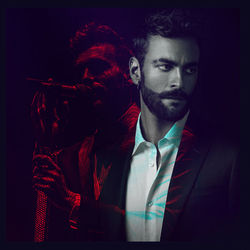
Marco Mengoni is an Italian singer-songwriter born on December 25, 1988, in Ronciglione, Italy. He rose to fame in 2009 after winning the third season of "X Factor Italy," and became one of Italy's most celebrated pop and soul artists in the years that followed.
Mengoni has won the Sanremo Music Festival twice, in 2013 with "L'Essenziale" and again in 2023 with "Due Vite," which also represented Italy at the Eurovision Song Contest. Known for his powerful, soulful voice and emotionally direct lyrics, he has released multiple platinum-certified albums and remains one of the most streamed Italian artists both at home and internationally.
Have you ever run into an ex and suddenly felt like no time has passed at all? That's exactly where Marco Mengoni starts in "Due Nuvole". He sees someone from his past and says it's strange, "A pensarci bene sembra che non sia passata un'ora" (Thinking about it, it seems like not even an hour has passed). He's so affected that he says her gaze splits him in half, just like a catchy ad jingle—a feeling that's hard to shake.
He's full of questions he's too afraid to ask, wondering about small things like a flower he once gave her. But the big idea here is that their love story wasn't some epic tale. He repeats, "Non siamo stati due eroi" (We weren't two heroes), and they never will be. Instead, he offers a different, softer image for what they were: "Noi saremo le nuvole" (We will be the clouds). They were something that existed, drifted together for a while, and then changed shape and moved on. It's a beautiful, gentle way to look back on a relationship that wasn't meant to be a grand romance.
This song by Italian artist Marco Mengoni feels like a list of all the little, contradictory things that make up a life. He sings that we live on "parole e silenzi" (words and silences), "grandi passi e piccole cose" (big steps and small things), and even "serie cult americane" (American cult TV shows). It's a mix of the beautiful, the boring, the happy, and the sad, from stolen kisses on a cheap sofa to broken promises behind closed doors.
But then, something interrupts this everyday routine. A dream comes to wake him up: "Un sogno così vivido" (Such a vivid dream). In this dream, he sees a version of himself, a "sosia di me stesso" (a double of myself), who is both a "prigioniero libero" (a free prisoner). It's this powerful, strange vision of himself that seems to be a wake-up call, a sudden moment of realization right in the middle of an ordinary life. He tries to react, but feels powerless: "Grido, ma la mia voce non esiste" (I scream, but my voice doesn't exist).
En “Due Vite”, Marco Mengoni imagina a dos personas despiertas mientras todo el universo duerme. Entre ellas hay cercanía, pero también zonas que no terminan de entender: “non conosco ancora bene il tuo deserto” [todavía no conozco bien tu desierto]. Ese “desierto” sugiere una parte solitaria y difícil de la otra persona, un lugar interior donde “il sole è sempre spento” [el sol siempre está apagado]. Aun así, se buscan, se pierden y vuelven a encontrarse. La escena mezcla ternura y caos: un libro en el suelo de una casa vacía, café con limón para la resaca, una camiseta metálica y otra noche desperdiciada frente a un local. “E meno male” [y menos mal] suena casi como una risa cansada: la noche fue un desastre, pero al menos la vivieron juntos.
El estribillo lleva esa relación al extremo: aunque la luna fuera a explotar, él estaría allí para decirle “ti sbagli, ti sbagli e lo sai” [te equivocas, te equivocas y lo sabes]. Es una forma directa, incluso un poco divertida, de cuidar a alguien que nunca duerme porque la vida lo agita, le da golpes y lo hace correr. Al final, la canción pide apagar la luz y quedarse a oscuras, envueltos solamente por una voz. “Che giri fanno due vite” [qué vueltas dan dos vidas] resume ese recorrido irregular: dos personas que se cruzan entre discusiones, silencios, noches fuera y palabras sin respuesta, pero que siguen compartiendo el mismo desorden.
“Voglio” is Marco Mengoni’s exhilarating shout of freedom, a wish-list where he piles up daring dreams like candy on Halloween night. From craving a fast motorbike and empty streets to wanting to dance naked and kiss his enemy, the Italian singer strings together playful, rebellious fantasies that paint the portrait of someone hungry for life in all its extremes. Each “voglio” (I want) feels like a spark, lighting up desires that swing between childlike mischief and fearless provocation: robbing a bank with hands already raised, putting shoes on a friend’s couch, or telling true love it was never true at all.
Under the fun, the song hides a deeper message about the restless search for identity and authenticity. By demanding everything — a new skin, a dinosaur heart, even the power to press a big red button — Mengoni taps into that primitive urge to feel intensely, to test boundaries, and to live louder than the ticking clock. “Voglio” invites us to celebrate our contradictions, laugh at our own audacity, and remember that burning curiosity that makes us feel alive between light and dark, sleep and wake, life and death.
Marco Mengoni brings us straight into that chaotic, 3:00 AM state of mind where sleep is impossible and your head won't stop spinning. He frames two people as if they are "i soli svegli in tutto l'universo" ("the only ones awake in the whole universe"), shouting out their frustrations from a rooftop. The song leans hard into messy, realistic snapshots instead of polished romance: think an empty flat with a book left lying on the floor, blurry photos, and the bizarre classic remedy of "il caffè col limone contro l'hangover" ("coffee with lemon for a hangover"). He sings bluntly about wasting another night outside a club ("ci siamo fottuti ancora una notte fuori un locale") and immediately adds a relieved "e meno male" ("and just as well").
At its heart, the track explores the winding paths and collisions between two lives ("che giri fanno due vite"). Mengoni moves between extremes, calling them "i mostri e le fate" ("the monsters and the fairies"), trying to deal with life when it hits too hard ("quando la vita poi esagera") with all its rush and metaphorical slaps ("le corse, gli schiaffi"). Even if the world were ending and the moon exploded, he pictures himself staying right there in the dark, wrapped up only in the sound of a voice, trying to make sense of all the beautiful disorder.
"Appunto 5: Non Sono Questo" ("Note 5: I'm Not This") is one of Marco Mengoni's diary-style "Appunto" songs, written as a private confession rather than a performance.
The verses list everything the narrator knows he should do: keep fewer vices, come home early, trust carefully, stay away from cowards, resist envy, look in the mirror and actually like what he sees, stand at the edge of temptation and not give in. Each line reads like a rule for being a better person.
Then the chorus breaks the list open: "Sorry, but I can't do it. My back weighs too much. I know it would be right. Forgive me, I'm not like this." He isn't defending his mistakes, he's naming the gap between the person he's describing and the person he actually is.
The second verse turns from self-talk to a specific relationship: asking someone not to get angry, admitting it might have been better if they'd never gotten attached to him, and owning that his own disappointment hurts them both. He promises he's trying and growing, then immediately admits he keeps falling into the same mistakes.
The song's honesty is its point. It doesn't resolve the tension between wanting to change and repeating the same patterns. It just states it plainly, which is what makes it feel like a real note to himself rather than a finished apology.
Da li ti se ikada desilo da naletiš na bivšu ljubav i da ti se čini kao da vreme nije ni prošlo? Upravo o tom čudnom, gorko-slatkom trenutku peva italijanski pevač Marko Mengoni u ovoj pesmi. On kaže: „Com'è strano rincontrarti ancora / A pensarci bene sembra che non sia passata un'ora“ (Kako je čudno sresti te opet / Kad bolje razmislim, izgleda kao da nije prošao ni sat). Odjednom, preplave ga sećanja i pitanja na koja se plaši da čuje odgovor, poput toga šta se desilo sa cvetom koji joj je poklonio ili da li je ona sada srećna u nekom drugom gradu.
Refren nam otkriva suštinu njihovog odnosa. Oni nisu bili epski ljubavnici iz filmova. Marko peva: „Non siamo stati due eroi / No, non lo saremo mai“ (Nismo bili dva heroja / Ne, nikada nećemo biti). Umesto toga, on ih vidi kao nešto prolazno i slobodno, ali i prelepo: „Noi saremo le nuvole“ (Mi ćemo biti oblaci). Njihova ljubav nije bila herojska priča sa srećnim krajem, već nešto poput dva oblaka na nebu – spojili su se na trenutak, stvorili nešto jedinstveno, a zatim nastavili svojim putem.
¿Alguna vez has sentido que la rutina te devora y de repente algo te despierta justo a tiempo? En este tema pop, el italiano Marco Mengoni hace una lista genial de las cosas cotidianas que forman nuestra vida: habla de sofás comprados a plazos en "divani presi a rate" (sofás a plazos), series estadounidenses famosas con "serie cult americane" (series de culto americanas) y caricias a escondidas en estaciones llenas de gente. Mezcla momentos pesados como las promesas rotas o los golpes bajos con detalles simples, como el sudor, el pan o estrenar zapatos en calles viejas.
Todo cambia cuando aparece ese estribillo que te sacude. Mengoni describe una especie de parálisis o revelación nocturna al verse en el espejo frente a un doble: "Un sosia di me stesso, un prigioniero libero" (Un doble de mí mismo, un prisionero libre) donde intenta gritar pero no le sale la voz. La salida que propone es tan cinematográfica como tentadora: marcharse de noche sin hacer ruido, subirse al coche y perder el camino a propósito ("ed apposta perderemo la strada"). Es una canción perfecta para aprender vocabulario del día a día mientras cantas a todo pulmón sobre escapar de la rutina.
İtalyan popunun en güçlü seslerinden Marco Mengoni, In Tempo şarkısında bizi günlük hayatın karmaşası ile kendi iç dünyamız arasında nefis bir yolculuğa çıkarıyor. Şarkı, hayatın tam ortasından detaylarla açılıyor: taksitle alınmış kanepeler, kalabalık istasyonlar, kapalı kapılar ardındaki fısıltılar ve popüler Amerikan dizileri... Mengoni, "camminare vecchie strade con le scarpe nuove" (eski yollarda yeni ayakkabılarla yürümek) diyerek o hep hissettiğimiz kaçıp gitme arzusunu fısıldıyor. Hayat kırık sözler, sessizlikler ve beklenmedik duraklarla akarken bir anda gecenin köründe biletsizce yola çıkıp bilerek kaybolma fikrini masaya koyuyor.
Fakat şarkının asıl kalbi, nakarattaki o rüya anında atıyor. Mengoni tam zamanında uyanıyor ama karşısında bir başkasını değil, kendisinin bir benzerini buluyor: "Un prigioniero libero" (özgür bir mahkûm). Aynadaki bu surete doğru çığlık atsa da sesinin çıkmadığını söylüyor ("Grido, ma la mia voce non esiste"). Şarkı boyunca İtalyanca günlük ifadeleri öğrenirken, bir yandan da modern hayatın içinde kendi sesini kaybetmiş hisseden bir adamın iç hesaplaşmasına tanık oluyoruz.
Marco Mengoni'nin bu şarkısı, eski bir sevgiliyle beklenmedik bir anda tekrar karşılaşmanın o tuhaf hissini anlatıyor. Şarkıcı, onu gördüğünde zamanın hiç geçmemiş gibi olduğunu söylüyor: "Com'è strano rincontrarti ancora / A pensarci bene sembra che non sia passata un'ora" (Seni tekrar görmek ne garip / Düşününce, bir saat bile geçmemiş gibi). Onun bakışlarının, akılda kalan reklam müzikleri gibi kendisini nasıl etkilediğinden bahsediyor. Bu karşılaşma, geçmişe dair soruları da beraberinde getiriyor: "Chissà se il fiore che ti ho regalato / È dentro a un libro o è tornato dentro a un prato" (Sana verdiğim çiçek kim bilir / Bir kitabın içinde mi yoksa bir çayıra mı döndü).
Şarkının nakaratı, ilişkinin doğası hakkında ilginç bir metafor sunuyor. Onlar destansı bir aşk yaşayan kahramanlar değiller; "Non siamo stati due eroi / No, non lo saremo mai" (İki kahraman olamadık / Hayır, asla olamayacağız). Bunun yerine, kendilerini bulutlara benzetiyor: "Noi saremo le nuvole" (Biz bulutlar olacağız). Bu, belki de ilişkilerinin sabit ve kalıcı olmak yerine, sürekli değişen, şekilden şekle giren ve sonunda dağılıp giden bulutlar gibi olduğu anlamına geliyor. Kahramanlar gibi savaşmak yerine, sadece bir araya gelip sonra yollarına devam eden iki bulut gibiler.
Har du nogensinde mødt en ekskæreste ved et tilfælde og følt, at tiden stod stille? Marco Mengoni synger præcis om den følelse i "Due Nuvole". Han beskriver, hvordan et blik kan ramme dig og splitte dig i to, "come quei jingle della pubblicità" [som de der reklame-jingler]. Det er en ret sjov måde at beskrive, hvor overvældende og uundgåeligt det føles. Han tænker på de små ting, som den blomst han engang gav hende, og spekulerer på, om den er presset i en bog eller visnet væk. Men han er for bange til at spørge, hvordan hun har det, eller om hun er flyttet, hvilket viser en sårbarhed, der er let at relatere til.
Kernen i sangen er omkvædet, hvor han indser, at deres kærlighedshistorie ikke var et episk eventyr. "Non siamo stati due eroi" [Vi var ikke to helte], synger han. De var ikke bestemt til at redde hinanden eller have en storslået romance. I stedet accepterer han, at de var, og altid vil være, noget mere flygtigt og formløst: "Noi saremo le nuvole" [Vi vil være skyerne]. To skyer, der driver forbi hinanden på himlen. Det er en smuk og lidt melankolsk accept af, at ikke al kærlighed er skabt til at vare evigt på en heroisk måde.
In "Due Nuvole" zingt Marco Mengoni over een onverwachte ontmoeting met een ex. Het is een van die momenten die je compleet van je stuk brengen. Hij zegt: "Com'è strano rincontrarti ancora" (Wat is het vreemd om je weer tegen te komen), en het voelt alsof er geen tijd voorbij is gegaan. Haar blik raakt hem nog steeds diep, "che mi spacca a metà / Come quei jingle della pubblicità" (die me doormidden splijt / Zoals die reclamejingles). Een grappige maar treffende vergelijking voor hoe iets je kan blijven achtervolgen.
Hij durft niet te vragen hoe het met haar gaat, uit angst voor het antwoord. In plaats daarvan denkt hij na over hun relatie. Ze waren geen helden in een groots liefdesverhaal: "Non siamo stati due eroi / No, non lo saremo mai" (We waren geen twee helden / Nee, dat zullen we nooit zijn). De kern van het lied is de prachtige metafoor die volgt: "Noi saremo le nuvole" (Wij zullen de wolken zijn). Hun liefde was niet episch of voor eeuwig, maar iets vluchtigs en vormeloos, net als twee wolken die even samenkomen en dan weer uit elkaar drijven. Het is een zachte, misschien wat melancholische manier om te accepteren dat sommige dingen gewoon voorbijgaan.
Sabe aquele reencontro inesperado que faz parecer que o tempo nem correu? É exatamente aí que o italiano Marco Mengoni começa em "Due Nuvole". Ele canta sobre esbarrar com alguém do passado e levar um baque imediato com a frase "Sarà il tuo sguardo che mi spacca a metà / Come quei jingle della pubblicità" (Será o seu olhar que me parte ao meio / Como aqueles jingles de comercial). A comparação com uma musiquinha grudenta de propaganda é ótima porque mostra como certas memórias simplesmente grudam na nossa cabeça sem pedir licença. A timidez e o medo tomam conta, a ponto de ele nem conseguir perguntar um simples "Che fai?" (O que você faz?) ou saber se a pessoa mudou de cidade.
No refrão, em vez de criar uma fantasia romântica grandiosa, Mengoni joga a real: "Non siamo stati due eroi / Noi saremo le nuvole" (Não fomos dois heróis / Nós seremos as nuvens). Ele aceita que a história deles não foi épica nem perfeita. Eles são apenas duas nuvens passageiras no céu. Ele volta para casa mudo na mesma hora de sempre, lembrando que aquela pessoa era como "la strada verso il centro città" (a rua em direção ao centro da cidade). É uma música pop leve, mas cheia de observações honestas sobre o que sobra depois que uma relação se desfaz.
V této písni od italského zpěváka Marca Mengoniho se setkáváme s někým z minulosti. Znáte ten pocit? Najednou se vám vrátí všechny vzpomínky, jako by neuplynula ani hodina: „A pensarci bene sembra che non sia passata un'ora“ (Když o tom přemýšlím, zdá se, že neuběhla ani hodina). Zpěvák se bojí zeptat, co je nového, jestli je jeho bývalá láska šťastná, nebo jestli se přestěhovala. Možná se bojí odpovědi.
Jádrem písně je myšlenka, že jejich vztah nebyl žádný hrdinský epos. Nebyli dokonalí. „Non siamo stati due eroi“ (Nebyli jsme dva hrdinové), zpívá Mengoni. Místo toho se přirovnávají k něčemu mnohem pomíjivějšímu a přirozenějšímu: „Noi saremo le nuvole“ (My budeme mraky). Je to krásný obraz vztahu, který možná nebyl navždy, ale stále měl svůj tvar a význam, než se rozplynul, stejně jako dva mraky na obloze.
In diesem Song von Marco Mengoni geht es um ein zufälliges Wiedersehen mit einer Person aus der Vergangenheit. Es fühlt sich an, als wäre keine Zeit vergangen: „A pensarci bene sembra che non sia passata un'ora“ (Wenn ich darüber nachdenke, scheint es, als wäre keine Stunde vergangen). Der Sänger ist so überwältigt, dass er sagt, der Blick der anderen Person spalte ihn in zwei Hälften, „come quei jingle della pubblicità“ (wie diese Werbejingles) – ein witziger und sehr treffender Vergleich für etwas, das einem im Kopf bleibt.
Der Kern des Liedes liegt in der Erkenntnis, dass ihre Geschichte keine große Heldensaga war. Sie waren keine Helden und werden es auch nie sein: „Non siamo stati due eroi / No, non lo saremo mai“ (Wir waren keine zwei Helden / Nein, das werden wir niemals sein). Stattdessen vergleicht er sie mit etwas Flüchtigem und Formlosem: „Noi saremo le nuvole“ (Wir werden die Wolken sein). Diese Metapher beschreibt eine Beziehung, die vielleicht nicht für die Ewigkeit bestimmt war, aber dennoch ihre eigene, leichte Schönheit hatte, wie zwei Wolken, die eine Weile nebeneinander am Himmel treiben.
Tu connais cette sensation un peu bizarre quand tu recroises un ex par hasard ? C'est exactement ce que raconte l'artiste italien Marco Mengoni dans Due Nuvole. La rencontre est si soudaine que le temps semble s'effondrer : « A pensarci bene sembra che non sia passata un'ora » (À bien y penser, on dirait qu'il ne s'est pas écoulé une heure). Le chanteur est tellement secoué qu'il compare le regard de son ancienne partenaire à un jingle publicitaire : « Sarà il tuo sguardo che mi spacca a metà / Come quei jingle della pubblicità » (Ce doit être ton regard qui me fend en deux / Comme ces jingles de la publicité). C'est une image moderne et amusante pour décrire un choc émotionnel !
Au lieu d'imaginer une grande histoire d'amour épique, Mengoni propose une autre vision. Le refrain est très clair : « Non siamo stati due eroi / Noi saremo le nuvole » (Nous n'avons pas été deux héros / Nous serons les nuages). Leur relation n'était pas un conte de fées héroïque, mais quelque chose de plus léger, de plus changeant, et peut-être d'un peu passager, comme deux nuages qui se rencontrent dans le ciel avant de continuer leur chemin chacun de leur côté. C'est une façon très douce de parler d'une histoire qui est terminée, sans drame ni regrets, juste avec un peu de nostalgie.
Ova pjesma govori o neočekivanom susretu s bivšom ljubavi. Marco Mengoni pjeva o tome kako se osjeća kao da vrijeme uopće nije prošlo: „Com'è strano rincontrarti ancora / A pensarci bene sembra che non sia passata un'ora” (Kako je čudno ponovno te sresti / Kad bolje razmislim, čini se da nije prošao ni sat). Odmah nas uvlači u taj trenutak, zar ne?
On ne želi znati je li ona sretna ili je promijenila grad, možda iz straha od odgovora. Umjesto toga, on razmišlja o njihovoj vezi. Nisu bili epski ljubavnici, već nešto prolaznije i slobodnije. Refren to savršeno opisuje: „Noi non siamo due eroi / Noi saremo le nuvole” (Mi nismo dva heroja / Mi ćemo biti oblaci). Njihova je ljubav bila poput dva oblaka na nebu, koji su neko vrijeme zajedno, a zatim se raziđu. To je prekrasna, pomalo sjetna slika.
¿Alguna vez te has encontrado con un ex y de repente te quedas sin palabras? De eso va esta canción de Marco Mengoni. El cantante se topa con un amor del pasado y siente que el tiempo no ha pasado: "Com'è strano rincontrarti ancora / A pensarci bene sembra che non sia passata un'ora" [Qué extraño reencontrarte / Pensándolo bien, parece que no ha pasado ni una hora]. Su mirada todavía lo desarma, y lo describe con una imagen muy original: "Sarà il tuo sguardo che mi spacca a metà / Come quei jingle della pubblicità" [Será tu mirada que me parte a la mitad / Como esos jingles de la publicidad]. A pesar de la conexión, tiene miedo de preguntar qué ha sido de su vida, si es feliz o si se ha mudado.
El estribillo nos da la metáfora central de la canción. Él se da cuenta de que su historia no fue una de esas de película. No fueron grandes salvadores ni protagonistas de una epopeya romántica. En cambio, dice: "Noi non siamo due eroi / Noi saremo le nuvole" [No somos dos héroes / Seremos las nubes]. Es una forma muy poética de decir que su relación fue algo más etéreo y pasajero, como dos nubes que se juntan en el cielo por un momento para luego seguir su propio camino, cambiando de forma y separándose. No hay drama, solo la aceptación melancólica de que su amor fue algo hermoso, pero temporal.
Marco Mengoni dala, a Due Nuvole egy olyan váratlan találkozásról szól, ami mindent felkavar. A szöveg rögtön a lényegre tapint: „Com'è strano rincontrarti ancora / A pensarci bene sembra che non sia passata un'ora” (Milyen furcsa újra találkozni veled / Ha jobban belegondolok, mintha egy óra sem telt volna el). Az énekes nem finomkodik, a tekintet hatását egy furcsán hétköznapi hasonlattal írja le: „Sarà il tuo sguardo che mi spacca a metà / Come quei jingle della pubblicità” (Talán a tekinteted az, ami kettéhasít / Mint azok a reklámzenék). Olyan érzés ez, amikor annyira félsz a valóságtól, hogy fel sem mered tenni az alapvető kérdéseket, például hogy a másik boldog-e, vagy elköltözött-e már a városból.
A refrénben Mengoni teljesen elengedi a drámai megmentő-szerepet: „Non siamo stati due eroi / Noi saremo le nuvole” (Nem voltunk két hős / Mi felhők leszünk). Nincs benne sértődöttség, inkább csak beletörődés abba, hogy ők ketten nem győzték le az akadályokat, csak elúsztak egymás mellett, mint két felhő az égen. Amikor hazaér, még megszólalni sem tud a csendben, és felidézi, hogy a másik jelentette számára a nyüzsgő belvárosba vezető utat („Eri la strada verso il centro città”). Ez a popdal pont ettől a közvetlen egyszerűségtől működik olyan jól.
Ši daina pasakoja apie netikėtą susitikimą su buvusiu mylimuoju. Atrodo, kad laikas sustojo: „Com'è strano rincontrarti ancora / A pensarci bene sembra che non sia passata un'ora“ (Kaip keista vėl tave sutikti / Gerai pagalvojus, atrodo, lyg nebūtų praėjusi nė valanda). Dainininkas svarsto, kas liko iš jų praeities, pavyzdžiui, kur dingo jo dovanota gėlė: „Chissà se il fiore che ti ho regalato / È dentro a un libro o è tornato dentro a un prato“ (Kas žino, ar gėlė, kurią tau padovanojau / Yra knygoje, ar grįžo į pievą). Tačiau jis bijo klausti, kaip dabar gyvena jo buvusi meilė, nes bijo išgirsti atsakymą.
Vietoj to, kad būtų didvyriai, kaip dažnai nutinka meilės istorijose, jie pripažįsta, kad jų santykiai buvo kitokie. Jie nebuvo tobuli ar herojiški. Priegiesmis kartoja: „Noi non siamo due eroi / Noi saremo le nuvole“ (Mes nebuvome du herojai / Mes būsime debesys). Ši metafora reiškia, kad jų meilė buvo lengva, nepastovi ir galiausiai išsisklaidė, kaip du debesys danguje. Jie tiesiog plaukė vienas šalia kito kurį laiką, o paskui vėjas juos nunešė į skirtingas puses.
Эта песня Марко Менгони рассказывает о внезапной встрече с бывшим возлюбленным. Представь себе: ты видишь человека из прошлого, и кажется, будто «non sia passata un'ora» [не прошло и часа]. Его взгляд до сих пор поражает тебя, как навязчивая мелодия из рекламы, «come quei jingle della pubblicità» [как те рекламные джинглы]. Это очень современный и точный образ, правда?
Вместо того чтобы быть героями великой истории любви, певец признаёт, что они были чем-то другим. «Noi non siamo due eroi» [Мы не два героя], — поёт он, — «Noi saremo le nuvole» [Мы будем облаками]. Их отношения были не чем-то вечным и монументальным, а скорее лёгкими, мимолётными и постоянно меняющимися, как два облака в небе. Они просто проплыли рядом какое-то время, а потом разошлись. В этой идее есть что-то одновременно грустное и красивое.
Știi momentul acela ciudat când te întâlnești pe neașteptate cu un fost iubit sau o fostă iubită? Marco Mengoni descrie perfect această senzație. Cântărețul se întâlnește cu cineva din trecutul său și simte că „parcă n-a trecut nici o oră” („sembra che non sia passata un'ora”). Privirea ei încă îl afectează profund, tăindu-l în două „ca acele jingle-uri din reclame” („Come quei jingle della pubblicità”), o comparație modernă și amuzantă.
El este prea speriat să întrebe ce mai face ea, dacă este fericită sau dacă s-a mutat. În schimb, se gândește la trecut, întrebându-se ce s-a întâmplat cu o floare pe care i-a dăruit-o. Refrenul explică totul: ei nu au fost eroi într-o poveste de dragoste epică. În schimb, ei vor fi „Due nuvole” (Doi nori). La fel ca norii, relația lor a fost ceva trecător și fără o formă clară, ceva ce a plutit pentru o vreme și apoi s-a risipit. Nu a fost o poveste eroică, ci ceva mai simplu și mai natural.
Marco Mengoni synger om det merkelige øyeblikket når man tilfeldigvis møter en ekskjæreste. Det føles som om ingen tid har gått i det hele tatt: «Com'è strano rincontrarti ancora / A pensarci bene sembra che non sia passata un'ora» (Så rart å møte deg igjen / Når jeg tenker over det, virker det som om det ikke har gått en time engang). Blikket hennes treffer ham like hardt som før, og han sammenligner det med en irriterende, fengende reklame-jingle.
Han lurer på hva som skjedde med en blomst han ga henne, men er for redd til å spørre hvordan hun egentlig har det. I stedet for å se på forholdet deres som en episk kjærlighetshistorie, bruker han en annen metafor. De var ikke helter, sier han, men skyer: «Noi non siamo due eroi / Noi saremo le nuvole» (Vi er ikke to helter / Vi skal være skyene). Forholdet deres var kanskje flyktig, formløst og alltid i bevegelse, akkurat som to skyer som driver forbi hverandre på himmelen.

