Learn Italian With Loredana Bertè with these 14 Song Recommendations (Full Translations Included!)
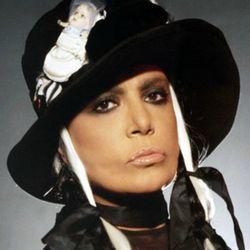
Loredana Bertè's "Notte Che Verrà" paints a picture of the night as a stage for human emotion. The singer wishes a good night to everyone out in the darkness: the fortune seekers, the "desperate lovers of the moon," and those who are lonely just like her. It's a time when some find comfort and others fall in love, even if it only lasts until the dawn returns.
Amidst these scenes, the singer makes a powerful, personal declaration. She rejects anything fake, singing that "cardboard stars don't shine," and defiantly screams, "I'm not a lady." Instead, she embraces a raw, primal form of expression, promising to sing to the sky every night, just as dogs sing to the moon. It's a song that captures the loneliness, hope, and rebellious spirit of the night.
Cosa Ti Aspetti Da Me is Loredana Bertè’s fiery interrogation of a love stuck at the crossroads. With her trademark grit, she peppers the song with relentless questions What do you want from me? What are you hiding? until they echo like drum hits. The verses picture two lovers sitting in uneasy silence, trying to patch the void with small talk, while underneath bubbles a mix of frustration, longing, and disbelief that any other love could ever feel this intense.
The heart of the song lies in the paradoxical line Ci vuole soltanto una vita per essere un attimo: it takes a whole lifetime just to become a single moment. Bertè highlights how we can spend years chasing a spark that flashes and fades in seconds. She contrasts the urge to give everything with the paralysis of hesitation, showing how fragile we remain when we search outside ourselves for meaning. The result is an anthem for anyone who has demanded clarity in a relationship and ended up confronting their own expectations.
Il Mare D’inverno paints a moody, cinematic picture of an Italian shoreline when the tourists are gone. The waves roll under a grey sky, hotel signs fade, and the only movement comes from wind that whisks away letters, gulls, and the singer’s thoughts. This is a seaside in black-and-white, where the narrator wanders solo, craving a simple coffee and conversation that never arrives. The repeated call mare, mare (“sea, sea”) feels like talking to an old friend who answers only with restless gusts.
Yet hidden in the chill is a quiet promise. Winter will thaw, colors will return, and the beach will buzz again with radios, discos, and new adventures — though perhaps filled with the same old bugie (“lies”). The song becomes a reflection on solitude versus the noisy rush of summer, suggesting that both seasons stir the soul, each in its own way. Listening feels like standing on that empty shore, letting the wind rearrange your thoughts while waiting for warmer days.
Get ready for a playful yet poignant dive into instant attraction with Loredana Bertè's "S.e.s.s.o."! This song captures the thrilling moment of seeing someone for the very first time and being completely captivated. Our narrator vividly recalls the initial encounter: "The first time I saw you, you were carrying skis on your shoulder." A simple smile from this person was enough to ignite a spark, making the narrator feel invited, "as if to tell me, 'come here'."
From that moment, this mysterious stranger is constantly on the narrator's mind and in their heart. Despite not knowing their name, the narrator boldly gives them a unique, memorable nickname: "I don't know your name but it's the same, I call you S-e-s-s-o." This directness is characteristic of Loredana Bertè's daring style. However, beneath the bold exterior lies a relatable hesitation: "I don't have the courage to try, but one day or another I will," they confess, adding, "But now I don't feel like it, better to wait a little longer." This internal conflict is palpable, as the fear of losing time and never seeing this person again battles with the fear of making a move. It's a fun, honest look at the exhilarating and terrifying dance of a crush!
This song paints a vivid picture of a bustling, modern city that feels like a chaotic but exciting jungle. The lyrics describe a "melting pot" of cultures, where you can see a Turkish sign next to a Gucci store, and smell both Italian polenta and North African cous cous in the air. The city is full of strange and wonderful contrasts, like a nun and a drug dealer waiting for the same bus.
Instead of getting angry or overwhelmed by the chaos, the singer has a solution: everyone should stop thinking so much and start singing and dancing! The song's main message is to embrace the joy and vibrant energy of a Bollywood musical. It's an invitation to find freedom in the chaos, let go of your worries, and turn the city streets into your own colorful dance floor.
Have you ever felt like life isn't going your way? Loredana Bertè's song "Movie" tackles this feeling head-on. It lists common struggles like a dissolving love, loneliness, or feeling like your "winning horse" has been stolen. But instead of giving up, the song offers a powerful message: you are the director of your own life.
The central idea is that you can take your life apart and put it back together, just like editing a film. The lyrics encourage you to reject the idea of a fixed "destiny," calling it a "scam" that holds you back. To truly live, you must face your fears, go out into the world, and take control. After all, as the song says, "you never win locked in a room."
Have you ever been in a relationship that one person took way more seriously than the other? In "Volevi Un Amore Grande," Loredana Bertè sings from the perspective of a woman who is breaking free and causing chaos in her lover's life. He thought she was his completely, "tied hand and foot to you" (Mani e piedi stretta a te). But for her, it was just a fling, a "journey or a weekend" (un viaggio / O un week-end).
The song's title is wonderfully ironic. The chorus repeats, "You wanted a great love / The kind that changes a life" (Volevi un amore grande / Quelli che cambiano una vita). He got his wish, but not how he expected! His life is changed because she is leaving him. She taunts his weakness, pointing out how the man who acted so "macho" (maschio) is now crying like a "little chick" (pulcino). It's a powerful anthem about a woman taking control and shattering a man's possessive expectations.
Figlia Di... is Loredana Bertè’s fiery autobiography wrapped in rock attitude. From the very first line she declares that she is both “the father of my caresses” and “the mother of my experiences,” making it clear that every scar, success, and caress comes from her own hand. Repeating her name like a rallying cry, Bertè flips the Italian expression figlia di (usually hinting at privilege) into a badge of self-made pride: she is a daughter only of herself, fuelled by a notoriety she earned through resilience, provocation, and boundless creativity.
The lyrics swing between tenderness and claws-out defiance. Love feels like a fistfight, envy turns into sympathy, and she rules her pack of “hyenas” as both “slave and sovereign.” When critics judge her path, she dares them to try walking in her high heels. In short, the song is a bold manifesto of independence, inviting listeners to embrace their contradictions, own their history, and keep roaring, scratches and all.
Loredana Bertè paints a picture of a love that is anything but ordinary in "Peccati Trasparenti" (Transparent Sins). The song describes a relationship built on a radical kind of honesty, where there are no promises of exclusivity or games of jealousy. The singer won't ask her lover if he's thinking of someone else, and she won't swear that he's the only one for her. This isn't about a lack of feeling; it's about a different kind of commitment—to passion itself.
The chorus reveals the song's core philosophy: love must be intense, dangerous, and intoxicating. Bertè uses powerful imagery to make her point:
- Love must "run on a razor's edge."
- It should be so overwhelming it makes you scream, "I'm dying!"
- Like a strong drink, it must "intoxicate."
- It's only real if it has the power to "hurt you."
This is a call for a love affair defined by "transparent sins"—actions taken without guilt or regret. It's a relationship where both people are free, even if it means living on the edge of heartbreak.
Ever feel like you have all the freedom in the world but you're still stuck in one place? That's the feeling at the heart of this song. Loredana Bertè sings to someone who has the "shoes to go anywhere" (Le scarpe tu ce l'hai) and the freedom to "do what you want" (Puoi fare ciò che vuoi), but they just can't seem to move. Why? Because they're overthinking everything, and their world is spinning with confusion.
The singer's advice is simple and powerful: "Take your head in your hands, and it won't spin." (Prendi fra le mani la testa e non girerà). It's a call to ground yourself and take control of your racing thoughts. She reminds us that life is like a party that only lasts a few hours (Dura poche ore la festa). The message is clear: stop thinking so much, get a grip, and use the freedom you have before the party is over.
“…E la Luna Bussò” paints the Moon as a wandering heroine who keeps knocking on different doors, hoping someone will let her light in. She tries the realm of darkness, the hush of silence, the vast sea, even a glitzy pool party filled with champagne and caviar. Each place replies with a blunt “no”, turning the Moon away and making her shed a few silvery tears. Behind the playful imagery lies a universal feeling: the search for acceptance while bumping into closed doors, snobbish sunglasses, and indifferent waiters.
When the fancy world rejects her, the Moon rolls down to the city streets, to ragged corners where luck is a luxury. There, among children’s eyelashes and lovers wrapped in tattered blankets, her glow is finally welcomed. The song celebrates empathy and resilience, reminding us that true warmth is often found far from glittering rooftops and that everyone, even the Moon, needs a place where their light is valued.
In this song, Loredana Bertè uses a powerful metaphor: someone's mouth is a stage (un palcoscenico). Everything this person does with their mouth, whether it's laughing, smoking, or talking on the phone, is a performance. They love to act (recitare) and declaim, seeking an audience but not a real conversation. The lyrics paint a picture of a self-absorbed individual who enjoys listening to their own voice, forcing others to endure their one-person show.
Suddenly, the song's theatrical theme is interrupted by a spoken-word story. Bertè recounts a difficult past involving violent brothers and a relationship she'd rather forget. This raw, personal confession feels like a glimpse behind the curtain, showing the real pain that might hide behind a constant performance. The contrast between the polished 'stage' and this gritty reality suggests that sometimes, the biggest performers are hiding the most complicated truths.
Meglio Libera means better free, and Loredana Bertè spends the whole song proving it. She opens on the title word itself, "Libera" [Free], then gets straight to the reason: she would rather walk away than keep waiting while he stays with someone else.
The line that stays with you is "Forti a letto e poi... mio Signore che cos'altro vuoi" [Strong in bed and then... my Lord, what else do you want]. It is aimed right at him, and it lands as exhaustion more than anger. When she sings "Chi è troppo fragile si spezza in due" [Anyone too fragile breaks in two], it works both ways, a warning about him and a decision about herself. The chorus keeps circling back to "Ma meglio libera" [But better free], and by the closing "Libera, libera, libera" [Free, free, free] it has stopped sounding like an excuse.
In "Per I Tuoi Occhi," which translates to "For Your Eyes," Loredana Bertè sings about a love that is all-consuming, transformative, and a little bit dangerous. The entire world seems to revolve around her lover's eyes. For them, she sees color in her life again, feels dizzy like she's at an amusement park, and experiences love with the intensity of a schoolgirl crush. This isn't just a simple romance; it's a grand, dramatic passion that takes her to the top of Monte Bianco (Mont Blanc) and makes her feel like she could climb to the "paradise of the stars."
The song is filled with powerful contradictions that capture the complexity of this love. The singer feels both hunted and safe in her lover's arms ("Braccata qui fra le tue braccia"). The love is both sweet and painful, like having "a needle in my throat." She declares that for her lover's eyes, she could be an "assassin" (assassina), showing the extreme lengths she would go to for this person. It's a fiery, passionate declaration where everything—her heart, the sea, her very soul—burns with a love that is both her greatest fortune and her most beautiful pain.

