Learn French With Renaud with these 10 Song Recommendations (Full Translations Included!)
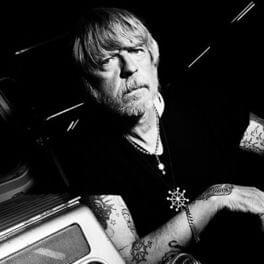
Renaud's "J'ai Embrassé Un Flic" [I Kissed a Cop] is a really interesting song, especially coming from an artist known for his rebellious spirit! It talks about a huge demonstration, with "des millions" [millions] of people from all walks of life – "protestants et catholiques, musulmans, juifs et laïcs" [Protestants and Catholics, Muslims, Jews and secular people] – marching peacefully between République and Nation. What's surprising is that instead of the usual tension, Renaud describes a moment of unexpected solidarity.
He sees a cop who "avait l'air sympathique" [looked friendly], and in a truly uncharacteristic move for his "vie d'anarchiste" [anarchist life], he goes up and kisses him! He even says, "J'aurai pas cru y a trente ans / Qu'au lieu de leur balancer / Des pavés à tour de bras / J'en serrerais un contre moi" [I wouldn't have believed thirty years ago / That instead of throwing / Paving stones at them with all my might / I would hold one against me]. It's a powerful statement about finding common ground and humanity, even with those you might traditionally oppose, especially in a moment of shared purpose and peace.
Renaud’s “Les Animals” is a cheeky love letter to the entire animal kingdom. The singer lists a joyful parade of creatures—from cuddly kittens and majestic phoenixes to lumbering cachalots—sprinkling in playful made-up plurals like chevals and narveaux. His whimsical roll call feels like a child’s picture book come to life, showing pure affection and curiosity for every species, no matter how big, small, common, or mythical.
Yet tucked beneath the humor is a sharp environmental message. After celebrating owls, dolphins, and even slugs, Renaud flips the spotlight onto humans, labeling us the “worst animals” for the cruelty we inflict through bullfights, trophy hunting, and other blood sports. The contrast is stark: animals simply are, while people choose violence. By the end, the song urges listeners to swap brutality for compassion and to protect the very creatures that make our world so vibrant.
La Ballade Nord-Irlandaise turns the simple act of planting an orange tree into a vivid symbol of peace and hope. French singer-songwriter Renaud imagines sailing into conflict-torn Northern Ireland, a land where the only “fruit” so far has been the pull-pin explosions of grenades. Instead of taking sides, he offers camaraderie: Let’s share a drink, go fishing, and sing together. By choosing an orange tree—an unmistakable nod to the Orange Order—he reclaims the color for unity rather than division.
Renaud then challenges the roots of the conflict, urging people to “kill your gods” and stop hiding behind religious symbols. Real change, he insists, comes from ordinary men and women who decide to plant seeds of friendship instead of hatred. When the orange tree finally blooms, it yields “the sweet fruit of freedom,” proving that music, fellowship, and a single brave gesture can outshine decades of violence.
Toujours Debout is Renaud’s witty comeback anthem, a loud “I’m still here!” to anyone who thought the legendary French rocker had slipped into oblivion. Line after line, he mocks the tabloids, paparazzi, and rumor-mongers who already wrote his obituary, cheerfully insisting he’s still got “la banane” (a big grin) and is firmly on his feet. The song crackles with humor and defiance as he shrugs off health gossip, fame fatigue, and the relentless flash of cameras, all while celebrating his own stubborn resilience.
Beneath the playful bravado lies heartfelt gratitude. Renaud tips his cap to the loyal fans who stood by him during his years of silence, promising he’ll keep writing and singing for every “sauvageon” (wild kid) who still believes in him. It’s a vibrant mix of self-mockery, rebellion, and warmth—a reminder that no matter how many times life tries to knock him down, Renaud will always bounce back, guitar in hand and smile on his face.
This song, "Putain De Camion" [Damn Truck], is a really emotional and direct response to the sudden loss of a friend. Renaud is clearly heartbroken and angry, asking, "Mais qu'est-ce qu'y foutait là?" [But what was it doing there?] about the truck that caused the accident. He's railing against fate and the unfairness of it all, feeling like his friend was taken too soon, leaving everyone behind "Avec les méchants, les crétins" [With the bad guys, the idiots].
It's a really raw expression of grief, where Renaud wishes he could just "Pleurer avec eux jusqu'à la Saint-Glinglin" [Cry with them until doomsday]. He remembers his friend as a "clown mais t'étais pas un pantin" [clown but you weren't a puppet], showing how much he valued his friend's genuine spirit. The line "Maintenant on est tous orphelins" [Now we are all orphans] really hits hard, conveying the deep sense of loss and how much this person meant to their whole group. It's a powerful and sad song about dealing with an unexpected tragedy.
Manhattan Kaboul paints a vivid double portrait of two strangers who will never meet: a young Puerto Rican man living the fast-paced New York dream and a little Afghan girl caught in the harsh reality of war. Their daily routines could not be more different—skyscrapers, coffee and cocaine versus dust, poverty and prayers—yet one violent chain of events links them forever. The September 11 attacks shatter his glass tower, while the retaliatory bombings wipe out her village, showing how global conflicts can erase borders in the worst way possible.
The song flips between their voices to expose a powerful message: innocent people are always the first casualties of fanaticism, nationalism and blind revenge. Renaud and Axelle Red question the weight of religions, flags and political rhetoric that turn ordinary lives into “cannon fodder.” By the final chorus, their shared fate feels universal, reminding us that behind every headline are countless unnamed victims whose dreams turn to dust when violence speaks louder than humanity.
Imagine sitting on a park bench for just five minutes, sharing pigeon-feeding mischief and splashy puddle jumps with a wide-eyed child. That is the scene Renaud paints in Mistral Gagnant: a father opening a time capsule of memories, from stolen Car-en-sac licorice to the long-gone fizzy sweets called Mistral gagnants that sometimes hid winning tickets. As he hears his child’s laughter crack open the city walls, he revisits his own carefree days when caramel-stained pockets and scuffed shoes were the biggest worries.
Beneath the playful snapshots runs a gentle reminder: these small moments are precious because time is a thief. The singer accepts that “le temps est assassin,” yet he urges his child—and us—to love life fiercely before the sun sets and the candies disappear. It is a tender lullaby to savoring now, brimming with nostalgia, humor, and unconditional love that lifts ordinary minutes into something unforgettable.
Fasten your seatbelt: in Morts Les Enfants French songwriter Renaud paints a raw, cinematic tour of childhoods cut short in every corner of the planet — from the streets of Bogotá and the minefields of war zones to chemical disasters like Seveso and Bhopal. Each verse names a new tragedy, then points an accusing finger at the "bal à l'ambassade," a sarcastic image of powerful, out-of-touch leaders who sip cocktails while the youngest and most innocent pay the ultimate price.
Yet the song is not only a catalog of horrors; it is also a coming-of-age nightmare. Renaud shows how the "child within" dies when hope is replaced by rage, until even the dreamer picks up a gun. By the final lines, the roles flip: the children once sacrificed are now the ones attacking the very embassies where the adults planned their fate. Morts Les Enfants is both protest anthem and cautionary tale, urging us to protect childhood or face a future where anger is the only language left.
Renaud's "La Pêche À La Ligne" is a charming and humorous look at a morning in the life of a man who'd rather be fishing than dealing with domesticity. He wakes up before his partner, who's still in a deep sleep, dreaming of Marlon Brando – a detail he finds quite funny, thinking, "Qu'est-ce que je foutrais là?" [What would I be doing there?]. While she's off in her movie-star dreams, he's sharpening his fishing poles, packing a "Saucisson, bière fraîche" [sausage, cold beer] for his trip.
As the day goes on, his partner wakes up, makes calls to her mother, and puts on her makeup. He wonders who she's trying to impress, musing, "Je me tue à lui dire / Qu'elle est mieux sans tout ça" [I kill myself telling her / That she's better without all that]. Meanwhile, he's out by the water, having a bit of a clumsy time, even hurting his finger. He comically catches a "truite / D'au moins cent vingt kilos" [trout / at least one hundred twenty kilos] but throws it back because it's "trop petite" [too small]. He returns home empty-handed, only to find his love has left him. Despite the heartbreak, he plans to take his daughter fishing next Sunday, finding a small comfort in the simple act of "s'emmêler dans les branches / À la pêche à la ligne" [getting tangled in the branches / while fishing].
“Héxagone” is Renaud’s fiery love-hate letter to his own country. Month after month he stalks through the French calendar, exposing the gap between the nation’s proud symbols and its everyday realities. January’s polite New-Year kisses give way to February’s forgotten police brutality; July’s fireworks can’t hide the poverty they celebrate; December’s turkey and presents arrive while ghettos stay bleak. By pairing each month with a fresh jab, Renaud paints France as a place where old prejudices, consumer comforts, and political complacency keep recycling like the seasons.
The song’s title points to the six-sided outline of mainland France, yet Renaud shows that what really boxes people in are hypocrisy, historical amnesia, and fear of true change. His rough slang and dark humor turn the track into a punk-tinged protest, shouting that being “born under the sign of the hexagon” is no automatic badge of glory. Instead, it is a challenge to break free from routine nationalism, question authority, and demand a more honest, compassionate society.

