Learn Dutch With Marco Borsato with these 23 Song Recommendations (Full Translations Included!)
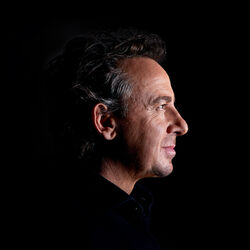
I ”Schouder Aan Schouder” sjunger Marco Borsato tillsammans med Guus Meeuwis om styrkan i att hålla ihop. Titeln betyder ”axel mot axel”, alltså att stå sida vid sida med någon. Berättaren kastar en blick på personen bredvid sig och behöver knappt några ord: ”De blik in jouw ogen zegt alles voor mij” [Blicken i dina ögon säger allt för mig]. De litar på varandra så mycket att ”Aan een half woord genoeg” [Ett halvt ord räcker]. Det är en fin, nästan filmisk bild av två människor som förstår varandra utan långa förklaringar.
Texten är också en uppmuntran att våga gå framåt. Världen ligger öppen och det finns gott om chanser, medan den som är rädd för att göra fel aldrig riktigt kommer någonstans. Oavsett ”Zon of regen, wind mee of tegen” [Sol eller regn, medvind eller motvind] klarar de det tillsammans, eftersom de har samma mål och samma känsla. Den återkommande raden ”Alsof iemand je draagt” [Som om någon bär dig] gör budskapet extra varmt: när man står axel mot axel behöver man inte bära allt ensam, och det vackraste ligger fortfarande framför dem.
“Mooi” invites us to look at life as if we were adjusting a camera lens: twist it one way and you see shadows, twist it the other and everything glows. Marco Borsato asks playful but probing questions—Do you wake up with a tear or with a laugh? Do you marvel at falling snow or sigh at what’s missing?—to remind us that happiness is less about external events and more about the story we tell ourselves.
At its heart, the song celebrates the power of perspective. We are “as rich as we feel,” and our reality is painted by the colors we choose: gratitude, wonder, and simple joys like birdsong or children’s laughter. “Mooi” nudges listeners to create their own sunshine, showing that life’s beauty is always present for those willing to notice it.
“Schouder Aan Schouder” (Shoulder to Shoulder) is a rousing Dutch anthem about unity and unstoppable optimism. Marco Borsato and Guus Meeuwis paint the picture of two friends locking arms, glancing at each other, and instantly knowing they can take on anything. Whether it’s sun or rain, wind at your back or in your face, the song insists that life’s challenges feel lighter when you face them together—almost as if someone is carrying you.
At its core, the track is a pep-talk set to music. It reminds us that shared goals, mutual trust, and the feeling of “I’ve got your back” turn obstacles into opportunities. With catchy repetition, the singers hammer home one uplifting message: the future looks brightest when we stand shoulder to shoulder.
Το τραγούδι του Marco Borsato, "Mooi", είναι σαν μια ζεστή αγκαλιά που σε κάνει να σκεφτείς τη ζωή σου. Ξεκινάει με ερωτήσεις που σε βάζουν κατευθείαν στο νόημα: "Hoe val je in slaap / Hoe begint je dag / Open je je ogen met een traan of met een lach" (Πώς κοιμάσαι / Πώς ξεκινάει η μέρα σου / Ανοίγεις τα μάτια σου με δάκρυ ή με γέλιο;). Μας προκαλεί να δούμε αν ψάχνουμε τον ήλιο ή τη σκιά, αν ζούμε για την ευτυχία ή πεθαίνουμε από τη θλίψη. Είναι μια υπενθύμιση ότι η ομορφιά της ζωής είναι συχνά θέμα οπτικής γωνίας, όπως λέει: "Het is hoe jij het ziet" (Είναι όπως το βλέπεις εσύ).
Ο Marco μας ρωτάει αν είμαστε ικανοποιημένοι με αυτά που έχουμε ή αν το περισσότερο δεν είναι ποτέ αρκετό. Μας ενθαρρύνει να εκτιμούμε τα μικρά πράγματα, όπως το χιόνι, τον άνεμο, τα πουλιά και το γέλιο ενός παιδιού. Το τραγούδι τονίζει ότι η ευτυχία είναι κάτι που δημιουργούμε εμείς, γιατί "binnen in jezelf / Is waar het eindigt en begint" (μέσα σου / Είναι εκεί που τελειώνει και αρχίζει). Είναι ένα όμορφο μήνυμα για το πόσο πλούσιοι είμαστε, όχι από χρήματα, αλλά από το πώς νιώθουμε: "Jij bent net zo rijk / Zo rijk als je je voelt" (Είσαι τόσο πλούσιος / Τόσο πλούσιος όσο νιώθεις).
Em “Mooi”, Marco Borsato transforma perguntas simples sobre o cotidiano em um convite para mudar o jeito de olhar. A canção pergunta: “Hoe val je in slaap” [Como você adormece?] e “Open je je ogen met een traan of met een lach” [Você abre os olhos com uma lágrima ou com um sorriso?]. Depois, coloca duas possibilidades lado a lado: enxergar o sol ou procurar “de schaduw op de grond” [a sombra no chão]. A ideia central é direta e bonita: a realidade também depende da perspectiva, dos sonhos e da maneira como cada pessoa interpreta o que vive. “Hoe mooi kan het leven zijn” [Quão bonita a vida pode ser] não é uma promessa de que tudo será fácil. É uma pergunta que pede atenção ao que já está diante dos olhos.
A segunda parte leva essa reflexão para coisas pequenas: neve, vento, pássaros e o riso de uma criança. A letra também pergunta se estamos satisfeitos com pouco ou se “het meeste niet genoeg” [o máximo ainda não é suficiente]. A frase “Jij bent net zo rijk, zo rijk als je je voelt” [Você é tão rico quanto se sente] usa “rijk” no sentido de riqueza interior, não apenas de dinheiro. Para a música, a felicidade não vem só de conseguir exatamente o que se pediu: ela também pode ser criada dentro de si, “want binnen in jezelf is waar het eindigt en begint” [porque é dentro de você que tudo termina e começa]. É uma canção calorosa, mas sem complicar a mensagem: olhar com mais abertura pode fazer a própria realidade parecer mais bonita.
»Mooi« pomeni »lepo«, Marco Borsato pa v tej pesmi sprašuje, kako človek gleda na svoje življenje. Se zjutraj zbudi s solzo ali z nasmehom? Ko pogleda okoli sebe, opazi sonce ali predvsem »schaduw op de grond« [senco na tleh]? Pesem ne pravi, da je vse vedno lahko. Pravi pa, da na našo resničnost vpliva tudi naš pogled nanjo: »Het is maar hoe je kijkt« [Odvisno je le od tega, kako gledaš] in »Het is maar wat je droomt« [Odvisno je le od tega, o čem sanjaš].
Najlepši del je ideja, da bogastvo ni samo v tem, kar imaš, ampak tudi v tem, kako se počutiš: »Jij bent net zo rijk, zo rijk als je je voelt« [Prav tako bogat si, kot se počutiš]. Borsato nato našteje majhne stvari, ki jih lahko opazimo: sneg, šumenje vetra, ptičje petje in smeh otroka. Vprašanje »Creëer je je geluk?« [Ali ustvarjaš svojo srečo?] pesem obrne navznoter. Sreča se po njenih besedah začne in konča v človeku, zato refren zveni kot prijazen opomnik: življenje je lahko zelo lepo, če mu dovolimo, da ga tako vidimo.
Har du noen gang tenkt over hvor mye perspektivet ditt former virkeligheten din? Marco Borsato inviterer deg til å reflektere over nettopp dette i sangen sin, "Mooi" (Vakkert). Han stiller spørsmål som:
- "Hoe val je in slaap?" (Hvordan sovner du?)
- "Open je je ogen met een traan of met een lach?" (Åpner du øynene med en tåre eller med en latter?)
Det handler ikke om hva som er sant eller ikke, men om "Het is hoe jij het ziet" (Det er hvordan du ser det). Sangen minner oss på at livet kan være så vakkert som vi velger å se det, og at vår rikdom ikke måles i penger, men i hvordan vi føler oss. "Jij bent net zo rijk, Zo rijk als je je voelt" (Du er like rik, så rik som du føler deg). Det er en fin påminnelse om å sette pris på det vi har og finne glede i de små tingene, som snøen, vinden, fuglene, og et barns latter.
Hey! Hast du dich jemals gefragt, wie schön das Leben sein kann? Marco Borsato bringt es in "Mooi" auf den Punkt. Er fragt uns direkt: "Hoe val je in slaap / Hoe begint je dag" [Wie schläfst du ein / Wie beginnt dein Tag]? Es geht darum, ob wir mit einem Lächeln oder einer Träne aufwachen und ob wir die Sonne sehen oder nur die Schatten.
Der Song ist eine wunderbare Erinnerung daran, dass unser Glück oft davon abhängt, wie wir die Dinge sehen. Marco singt: "Het is hoe jij het ziet" [Es ist, wie du es siehst]. Er fragt uns, ob wir für Glück leben oder vor Traurigkeit sterben und ob wir das als Wahl empfinden. Es ist, als würde er uns sagen: "Jij bent net zo rijk / Zo rijk als je je voelt" [Du bist genauso reich / So reich, wie du dich fühlst]. Es ist eine wirklich schöne Botschaft, die uns ermutigt, das Gute zu sehen und unser eigenes Glück zu schaffen, indem wir uns an den kleinen Dingen erfreuen, wie dem Lachen eines Kindes oder dem Rauschen des Windes.
Marco Borsato "Mooi" című dala arról szól, hogy az élet szépsége és gazdagsága azon múlik, hogyan látjuk a világot. A dal számos kérdést tesz fel, amelyek arra ösztönöznek, hogy elgondolkodjunk a saját perspektívánkon. Például megkérdezi: "Hoe val je in slaap? Hoe begint je dag? Open je je ogen met een traan of met een lach?" (Hogy alszol el? Hogy indul a napod? Könnyel vagy mosollyal nyitod ki a szemed?), ami arra utal, hogy a napjaink kezdetét és végét is mi magunk alakítjuk.
A dal szerint a boldogság és a gazdagság nem külső körülményektől függ, hanem attól, hogy mi hogyan érezzük magunkat. "Jij bent net zo rijk, Zo rijk als je je voelt" (Olyan gazdag vagy, amilyen gazdagnak érzed magad) – ez a sor tökéletesen összefoglalja a dal üzenetét. Arról szól, hogy észrevesszük-e a szépet a mindennapokban, például a hóban, a szél zúgásában, a madarakban vagy egy gyermek nevetésében. A dal arra buzdít, hogy mi magunk teremtsük meg a boldogságunkat, mert az belülről fakad: "Creëer je je geluk, want binnen in jezelf Is waar het eindigt en begint" (Teremtsd meg a boldogságodat, mert önmagadban van, ahol véget ér és elkezdődik).
Marco Borsato’nun “Mooi” adlı şarkısı, hayatın ne kadar güzel görüneceğinin büyük ölçüde ona nasıl baktığımıza bağlı olduğunu söylüyor. Şarkı, güne gözyaşıyla mı yoksa gülümsemeyle mi başladığımızı, güneşi mi yoksa yerdeki gölgeyi mi gördüğümüzü soruyor. “Hoe mooi kan het leven zijn” [Hayat ne kadar güzel olabilir] ve “Het is maar hoe je kijkt” [Bu, nasıl baktığına bağlı] sözleri, mutluluğun yalnızca dış koşullarda aranmadığını anlatıyor. Buradaki “rijk” kelimesi “zengin” demek, ancak şarkıda para değil, insanın kendini ne kadar zengin hissettiği kastediliyor: “Jij bent net zo rijk / Zo rijk als je je voelt” [Sen de o kadar zenginsin / Kendini ne kadar zengin hissediyorsan o kadar].
Şarkı daha sonra küçük şeylere dikkat etmeyi öneriyor: karın şaşırtıcılığı, rüzgârın sesi, kuşlar ve bir çocuğun gülüşü. “Creëer je je geluk” [Mutluluğunu kendin mi yaratıyorsun] sorusuyla mutluluğun insanın içinde başlayıp bittiğini söylüyor. “Mooi” bu yüzden büyük cevaplar veren bir şarkı değil; her sabah kendimize sorduğumuz basit sorularla bakış açımızı değiştirmeyi hatırlatan, içten ve iyimser bir davet.
„Mooi” de Marco Borsato privește viața printr-o întrebare simplă: depinde frumusețea ei de ceea ce ni se întâmplă sau de felul în care privim? Versurile încep cu imagini foarte obișnuite: adormi ușor sau greu, îți începi ziua cu o lacrimă sau cu un zâmbet, vezi soarele sau cauți „schaduw op de grond” [umbra de pe pământ]. Apoi cântecul devine mai direct: „Het is maar hoe je kijkt” [Depinde doar cum privești]. Nu spune că tristețea nu există, ci sugerează că realitatea ta este legată și de visele, alegerile și așteptările tale.
Partea preferată este lista de lucruri mici care pot deveni bogăție: zăpada, foșnetul vântului, păsările și râsul unui copil. Întrebarea „Ben je tevreden met het minste, of is het meeste niet genoeg?” [Ești mulțumit cu puțin sau nici cel mai mult nu îți ajunge?] sună puțin obraznic, dar lovește exact unde trebuie. Ideea refrenului este clară: „Jij bent net zo rijk, zo rijk als je je voelt” [Ești la fel de bogat pe cât te simți]. Aici, „rijk” înseamnă mai mult decât bogat în bani: este sentimentul că ai destul, că observi ce există deja și că fericirea poate începe „binnen in jezelf” [în interiorul tău].
”Mooi” betyder ”vacker” eller ”fint”, och Marco Borsato låter ordet bli en fråga om hur vi ser på livet. Hur somnar du? Börjar du dagen med ett leende eller en tår? När du ser solen, letar du ändå efter ”schaduw op de grond” [skuggan på marken]? Den bilden är enkel men träffande: samma dag kan kännas ljus eller mörk beroende på vad blicken fastnar på. Refrängen säger: ”Het is maar hoe je kijkt” [Det beror bara på hur du ser], och ”Jij bent net zo rijk / Zo rijk als je je voelt” [Du är lika rik som du känner dig]. Här betyder rik inte bara pengar, utan känslan av att ha tillräckligt.
I den andra delen blir sången mer vardaglig och varm. Är du nöjd med det minsta, eller är inte ens det mesta nog? Kan du förundras över snö, vindens sus, fåglar och ett barns skratt? Enligt sången börjar och slutar lyckan ”binnen in jezelf” [inom dig själv]. Det är ingen komplicerad livsregel, snarare en vänlig knuff att lägga märke till det som redan finns. Jag gillar att texten inte lovar att allt alltid är lätt. Den frågar i stället om du kan se solen, drömma och känna värdet i ditt eget liv.
Jeste li se ikada zapitali kako to da neki ljudi uvijek vide sunce, dok drugi traže sjenu na tlu? Marco Borsato u pjesmi "Mooi" [Lijepo] postavlja upravo ta pitanja, pozivajući nas da razmislimo o tome kako doživljavamo svijet oko sebe. Pjesma nas pita: "Hoe val je in slaap / Hoe begint je dag / Open je je ogen met een traan of met een lach" [Kako zaspiš / Kako ti počinje dan / Otvaraš li oči sa suzom ili sa smiješkom?].
Ova pjesma je prekrasan podsjetnik da je život onakav kakvim ga mi učinimo. Nije važno je li nešto istina ili ne, već "Het is hoe jij het ziet" [To je kako ti to vidiš]. Marco nas potiče da cijenimo ono što imamo, da se divimo snijegu i šuštanju vjetra, i da se radujemo smijehu djeteta. Na kraju krajeva, sreća je nešto što stvaramo sami, jer "binnen in jezelf / Is waar het eindigt en begint" [unutar tebe / je gdje završava i počinje]. Kako je samo lijep život, zar ne?
Marco Borsato laul "Mooi" kutsub meid mõtisklema elu ilu üle ja selle üle, kuidas me seda tajume. Laul küsib otsekoheselt: "Hoe val je in slaap / Hoe begint je dag?" [Kuidas sa uinud / Kuidas su päev algab?], pannes meid mõtlema, kas ärkame pisara või naeratusega. See on nagu sõbralik meeldetuletus, et meie vaatenurk kujundab meie reaalsust.
Laulu peamine sõnum on, et elu ilu sõltub sellest, kuidas me vaatame ja mida me unistame: "Hoe, hoe mooi kan het leven zijn / Het is maar hoe je kijkt / Het is maar wat je droomt" [Kui, kui ilus elu olla saab / See on vaid see, kuidas sa vaatad / See on vaid see, mida sa unistad]. See julgustab meid märkama pisiasju, nagu lumi või tuule kohin, ja leidma rõõmu lapse naerust. Marco Borsato tuletab meile meelde, et meie rikkus ei seisne mitte materiaalses, vaid selles, kuidas me end tunneme: "Jij bent net zo rijk / Zo rijk als je je voelt" [Sa oled sama rikas / Nii rikas, kui sa end tunned]. See on ilus ja südamlik laul, mis paneb sind mõtlema, kuidas sa oma elu ilu näed.
Dans « Mooi » de Marco Borsato, on est invité à une profonde réflexion sur la vie et notre perception de celle-ci. La chanson nous demande comment nous abordons chaque jour : « Open je je ogen met een traan of met een lach » (Ouvres-tu tes yeux avec une larme ou avec un rire ?). C'est une question simple, mais elle met en lumière l'idée que notre bonheur dépend beaucoup de notre point de vue.
Marco Borsato nous encourage à voir la beauté qui nous entoure, même dans les choses les plus simples. Il nous demande si nous nous émerveillons devant la neige ou le rire d'un enfant : « Raak je verwonderd van de sneeuw / Van het ruisen van de wind / Geniet je van de vogels / Van het lachen van een kind » (T'émerveilles-tu de la neige / Du bruissement du vent / Apprécies-tu les oiseaux / Le rire d'un enfant ?). La chanson nous rappelle que la richesse ne se mesure pas à ce que l'on possède, mais à la façon dont on se sent : « Jij bent net zo rijk / Zo rijk als je je voelt » (Tu es aussi riche / Aussi riche que tu te sens). C'est un message très positif qui nous pousse à cultiver notre propre bonheur.
В песне «Mooi» Марко Борсато, артиста из Нидерландов, обычное утро становится вопросом о том, как человек смотрит на жизнь. «Hoe val je in slaap» [«Как ты засыпаешь?»], «Open je je ogen met een traan of met een lach» [«Ты открываешь глаза со слезой или с улыбкой?»]. Можно искать за всем «de schaduw op de grond» [«тень на земле»], а можно заметить солнце. При этом песня не утверждает, что грусть всегда выбирают: она прямо спрашивает, чувствуешь ли ты счастье как свой выбор или у тебя вообще нет выбора.
Главная мысль звучит очень просто и потому довольно смело: «Het is maar hoe je kijkt» [«Всё зависит от того, как ты смотришь»]. Богатство здесь измеряется не деньгами, а внутренним ощущением: «Jij bent net zo rijk, zo rijk als je je voelt» [«Ты настолько богат, насколько себя чувствуешь»]. Герой предлагает замечать снег, шум ветра, птиц и смех ребёнка, а ещё спрашивает, достаточно ли человеку малого или ему всегда нужно больше. Счастье, по этой логике, не где-то далеко: «binnen in jezelf is waar het eindigt en begint» [«внутри тебя оно заканчивается и начинается»].
Тази песен на Марко Борсато, „Mooi“ (което означава „Красиво“), е като приятелски разговор, който те кара да се замислиш за живота си. Започва с въпроси като „Hoe val je in slaap / Hoe begint je dag“ („Как заспиваш / Как започва денят ти“), които те карат да се замислиш за ежедневието си и как го възприемаш. Дали виждаш слънцето или търсиш сянката? Песента те подтиква да осъзнаеш, че щастието е въпрос на избор и перспектива, както се казва в „Het is hoe jij het ziet“ („Въпросът е как го виждаш ти“).
Най-хубавото е, че песента постоянно повтаря „Hoe, hoe mooi kan het leven zijn / Het is maar hoe je kijkt / Het is maar wat je droomt“ („Колко, колко красив може да бъде животът / Въпросът е как гледаш / Въпросът е какво мечтаеш“). Това е като напомняне, че богатството не е само в парите, а в това как се чувстваш: „Jij bent net zo rijk / Zo rijk als je je voelt“ („Ти си толкова богат / Колкото богат се чувстваш“). Тя те кара да цениш малките неща – снега, вятъра, смеха на детето – и да създаваш собственото си щастие, защото то започва и свършва в теб.
Marco Borsatos sang "Mooi" handler om, hvordan vi ser på livet, og hvor meget vores egen indstilling betyder. Den stiller spørgsmål som "Hoe val je in slaap / Hoe begint je dag" [Hvordan falder du i søvn / Hvordan starter din dag?] og får os til at tænke over, om vi møder dagen med glæde eller tristhed.
Sangen understreger, at lykke ikke handler om ydre omstændigheder, men om vores indre perspektiv. Linjer som "Het is hoe jij het ziet" [Det er sådan, du ser det] og "Jij bent net zo rijk / Zo rijk als je je voelt" [Du er lige så rig / Så rig som du føler dig] viser, at vores egen opfattelse af virkeligheden er det vigtigste. Det handler om at værdsætte det, man har, og finde glæde i de små ting, som for eksempel "het ruisen van de wind" [vindens susen] eller "het lachen van een kind" [et barns latter].
Písnička „Mooi“ od Marca Borsata je jako takové milé poplácání po rameni, které ti připomene, že život je přesně takový, jaký si ho uděláš. Už od začátku se tě ptá na věci jako „Hoe val je in slaap / Hoe begint je dag / Open je je ogen met een traan of met een lach“ (Jak usínáš / Jak začíná tvůj den / Otevíráš oči se slzou nebo s úsměvem?).
Celá písnička se točí kolem myšlenky, že tvoje realita je jen o tvém pohledu. Marco zpívá: „Het is hoe jij het ziet“ (Je to, jak to vidíš ty) a „Het is maar hoe je kijkt / Het is maar wat je droomt“ (Je to jen o tom, jak se díváš / Je to jen o tom, co sníš). Je to taková výzva k zamyšlení, jestli vidíš jen to, co chybí, nebo si vážíš toho, co máš. A víš co? „Jij bent net zo rijk / Zo rijk als je je voelt“ (Jsi tak bohatý / Tak bohatý, jak se cítíš). Není to super?
¡Hola! Hoy vamos a explorar una canción de Marco Borsato, un artista de los Países Bajos, que te hará pensar. Se llama "Mooi", que significa "Hermoso" en neerlandés, y es una melodía que te invita a reflexionar sobre cómo ves el mundo.
La canción nos pregunta directamente: "Hoe val je in slaap / Hoe begint je dag?" [¿Cómo te duermes? / ¿Cómo empieza tu día?]. Nos hace considerar si abrimos los ojos "met een traan of met een lach" [con una lágrima o con una sonrisa]. Marco nos anima a mirar a nuestro alrededor y ver la luz, o si "zoek je achter alles naar de schaduw op de grond" [buscas la sombra en el suelo detrás de todo]. Es una canción que te recuerda que la vida es "hoe jij het ziet" [cómo tú la ves], y que la belleza está en la perspectiva. ¿No es genial cómo una canción puede hacerte ver las cosas de otra manera?
Ciao! Oggi scopriamo insieme il significato di "Mooi" di Marco Borsato, un brano che ti farà riflettere su come vedi il mondo. La canzone inizia con una serie di domande molto personali:
- "Hoe val je in slaap? Hoe begint je dag? Open je je ogen met een traan of met een lach?" (Come ti addormenti? Come inizia la tua giornata? Apri gli occhi con una lacrima o con un sorriso?)
- "En kijk je om je heen en zie je dan de zon, of zoek je achter alles naar de schaduw op de grond?" (E ti guardi intorno e vedi il sole, o cerchi l'ombra a terra dietro ogni cosa?)
Il testo ci spinge a considerare se viviamo per la felicità o se siamo sopraffatti dalla tristezza, e se queste siano scelte che possiamo fare. Ma la cosa più importante è che "Het is hoe jij het ziet" (È come la vedi tu). La bellezza della vita, la tua realtà, dipende interamente dalla tua prospettiva e dai tuoi sogni.
Marco Borsato ci ricorda che "Jij bent net zo rijk, zo rijk als je je voelt" (Sei ricco quanto ti senti). Non si tratta di ciò che hai, ma di come lo percepisci. La canzone ci invita a chiederci se apprezziamo ciò che abbiamo, se siamo soddisfatti del minimo o se il massimo non è mai abbastanza. Ci incoraggia a trovare meraviglia nelle piccole cose, come la neve o il riso di un bambino, perché la felicità "binnen in jezelf is waar het eindigt en begint" (dentro di te è dove finisce e inizia). È un bellissimo invito a creare la propria felicità!
„Mooi” po niderlandzku znaczy „piękny” i właśnie o pięknie codzienności mówi ta piosenka. Marco Borsato zaczyna od prostych pytań: „Hoe val je in slaap” [Jak zasypiasz?] i „Open je je ogen met een traan of met een lach” [Otwierasz oczy ze łzą czy z uśmiechem?]. Potem pyta, czy patrzysz na słońce, czy wszędzie szukasz cienia. To nie jest lekcja udawania, że smutek nie istnieje. Raczej zachęta, by zauważyć, że sposób patrzenia wpływa na to, jak odbierasz własne życie. Refren mówi wprost: „Het is maar hoe je kijkt” [To zależy tylko od tego, jak patrzysz] oraz „Het is maar wat je droomt” [To zależy tylko od tego, o czym marzysz].
Druga część przenosi uwagę na małe rzeczy: śnieg, szum wiatru, śpiew ptaków i śmiech dziecka. Piosenka pyta też, czy potrafisz cieszyć się tym, co już masz, czy nawet „het meeste” [najwięcej] wciąż wydaje ci się niewystarczające. Najmocniejsza myśl brzmi: „Jij bent net zo rijk, zo rijk als je je voelt” [Jesteś tak bogaty, jak się czujesz]. Chodzi tu nie o pieniądze, lecz o wewnętrzne poczucie dostatku. Szczęście, według tekstu, zaczyna się i kończy „binnen in jezelf” [wewnątrz ciebie]. To ciepła, bezpośrednia piosenka o tym, że zwykły dzień może wyglądać zupełnie inaczej, gdy zamiast szukać wyłącznie cienia, dostrzeżesz także słońce.
„Mooi“ znamená po holandsky „krásny“ a Marco Borsato v tejto piesni premýšľa, od čoho krása života vlastne závisí. Hneď na začiatku sa pýta: „Hoe val je in slaap“ [Ako zaspávaš?] a „Open je je ogen met een traan of met een lach“ [Otváraš oči so slzou alebo s úsmevom?]. Rozhoduje podľa neho aj to, čo si všímame: slnko, alebo „de schaduw op de grond“ [tieň na zemi]. Nie je to slepý optimizmus. Text sa pýta, či si šťastie vytvárame sami, alebo máme pocit, že na výber vôbec nemáme.
Najsilnejšia myšlienka sa vracia v refréne: „Het is maar hoe je kijkt“ [Záleží len na tom, ako sa pozeráš] a „Jij bent net zo rijk, zo rijk als je je voelt“ [Si taký bohatý, ako sa cítiš]. Bohatstvo tu neznamená peniaze. Môže to byť úžas nad snehom, šum vetra, vtáčí spev či smiech dieťaťa. Pieseň sa pýta, či vieme byť spokojní s tým najmenším, alebo nám nestačí ani to najväčšie. Je to milá, trochu priamočiara pripomienka, že naša realita sa začína vo vnútri nás: „binnen in jezelf is waar het eindigt en begint“ [vnútri teba sa to končí aj začína].

